


If you struggle with allergies, asthma, or persistent indoor dust, the air inside your home may be contributing more to your symptoms than you realize. Dust mites and pet dander are among the most common indoor allergens, and because they’re lightweight, they can stay suspended in the air for hours before settling on furniture, carpets, and bedding.
 Sabber Ahmad Rahiq
The Impact of Air Quality on Health: Why Every Home Needs an Air Purifier
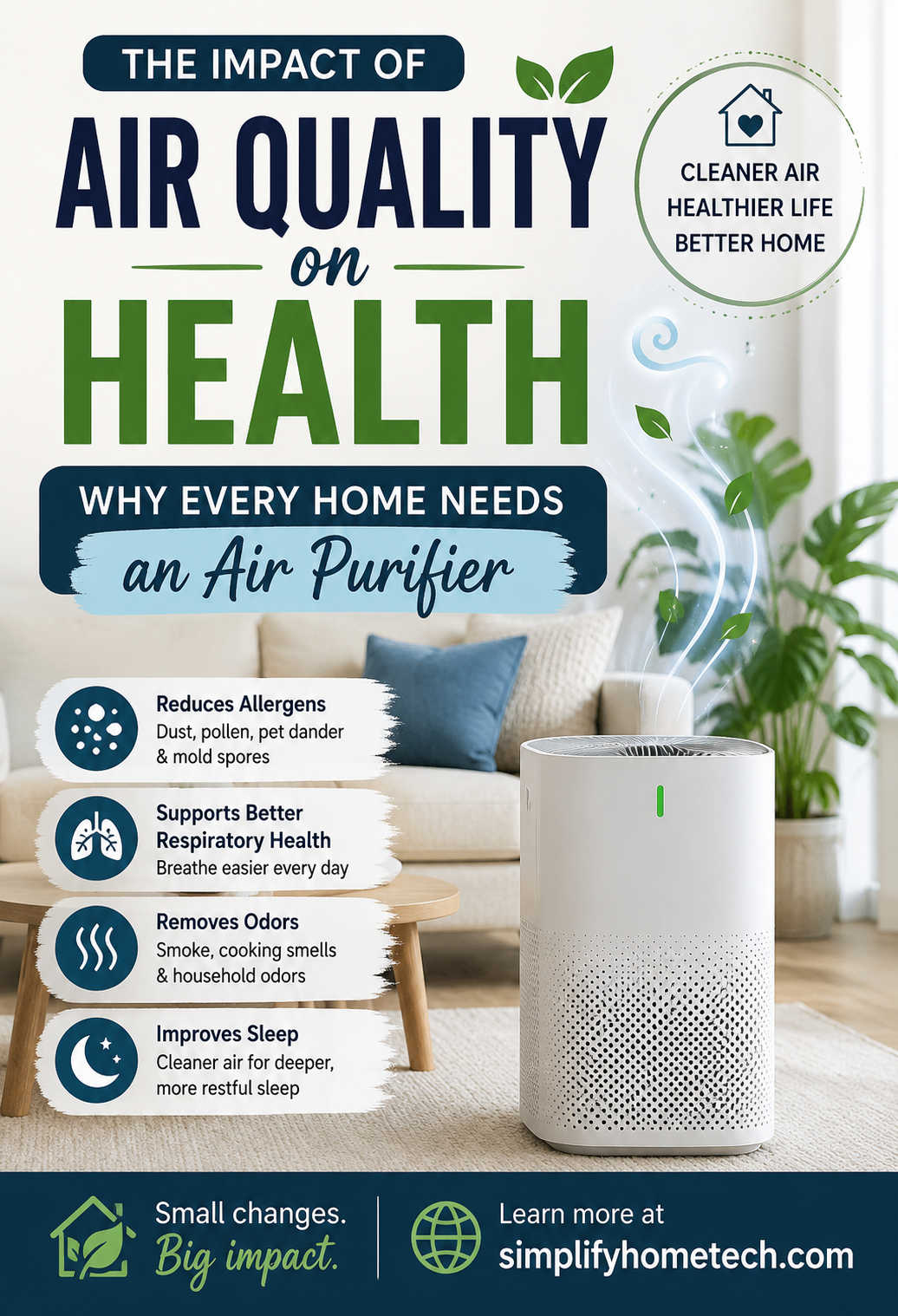
Indoor air quality has become a growing concern in recent years, yet it remains one of the most overlooked aspects of maintaining a healthy lifestyle. While many people focus on balanced nutrition, regular exercise, and quality sleep, the air they breathe every day often receives far less attention. The truth is that indoor air can contain a variety of pollutants that may affect your health without you even realizing it.
How HEPA Filters Work: The Science Behind Air Purification Explained
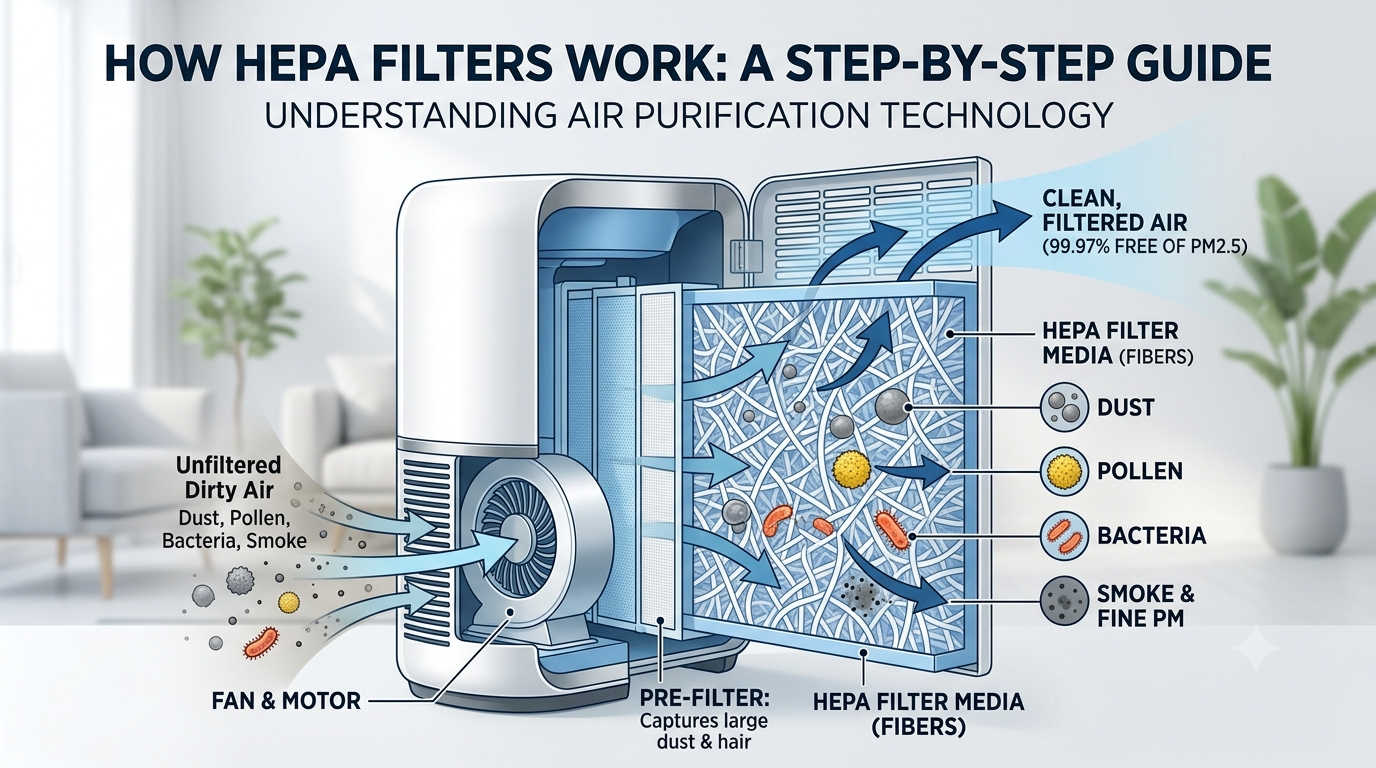
Clean indoor air has become a priority for many households, workplaces, and healthcare environments. Dust, pollen, smoke, bacteria, and microscopic particles constantly circulate through the air we breathe. In enclosed spaces, these contaminants can accumulate quickly and negatively affect comfort, health, and productivity.
HEPA vs Activated Carbon Filters: Key Differences, Benefits & Which One You Need
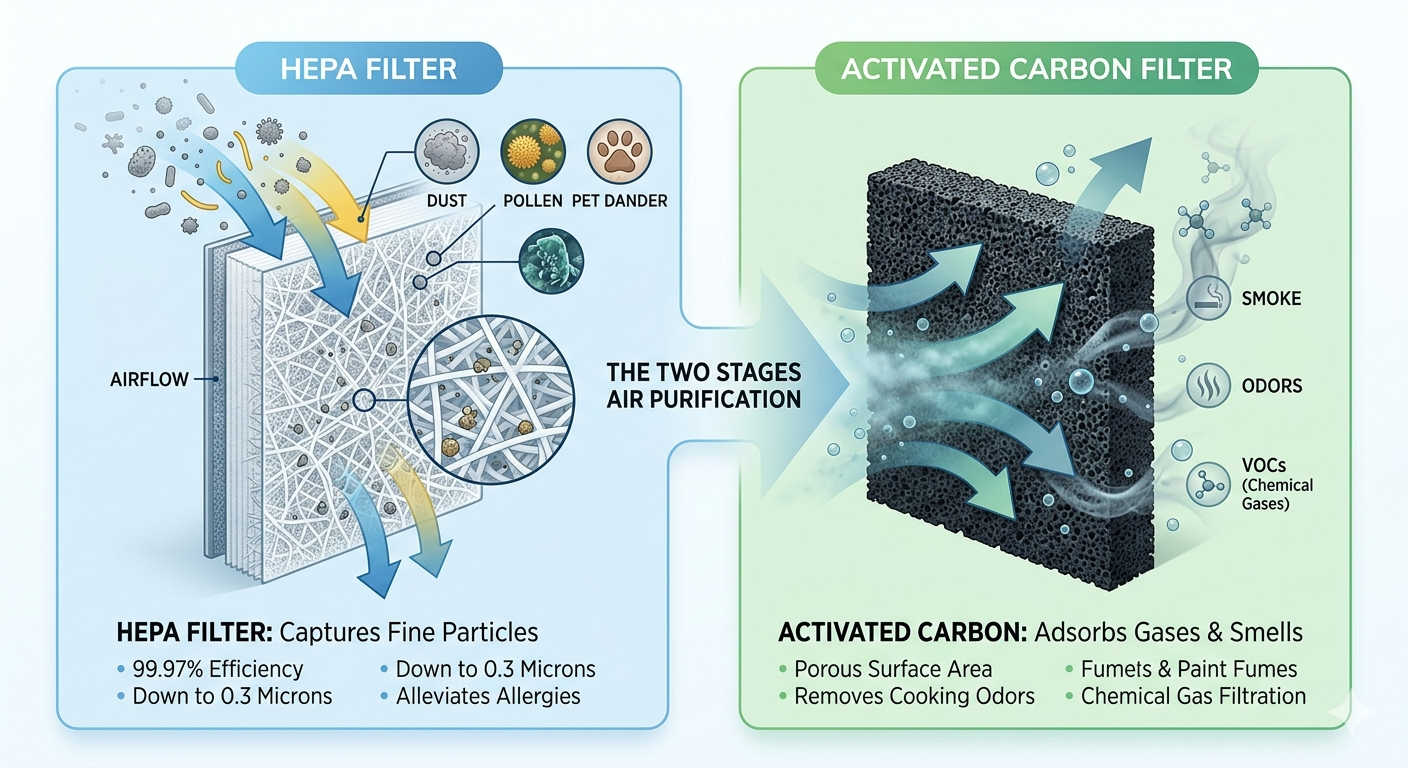
Indoor air pollution is often worse than outdoor air. Dust, allergens, smoke, chemical fumes, and odors can all accumulate inside homes and workplaces. Because of this, air purifiers and filtration systems have become increasingly popular.
How Often Should You Replace Air Purifier Filters? Complete Maintenance Guide
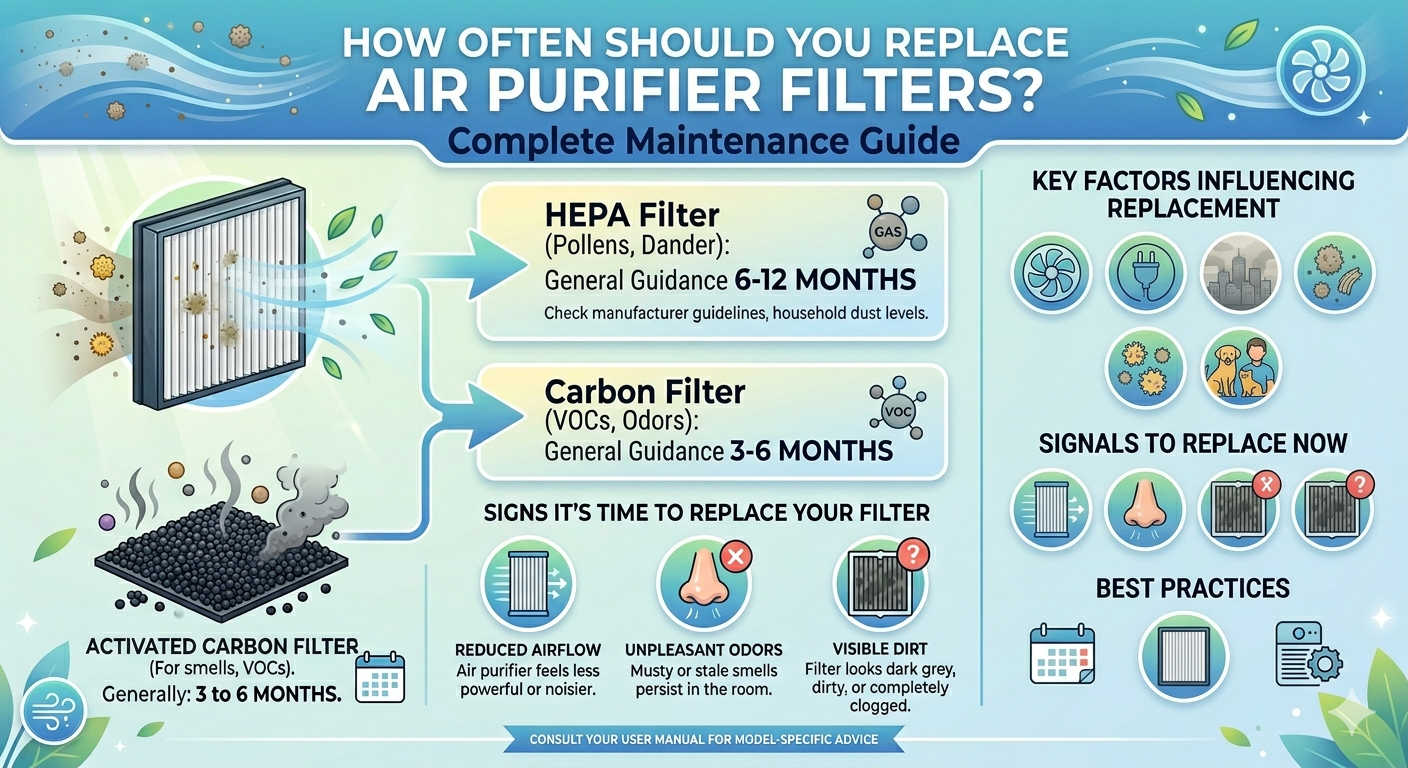
Indoor air quality has become a growing concern for many households. Dust, pollen, pet dander, smoke particles, and other pollutants can accumulate inside homes and affect breathing comfort and overall health. Air purifiers are designed to remove these contaminants and improve indoor air quality, but they can only perform effectively if their filters are maintained properly.