
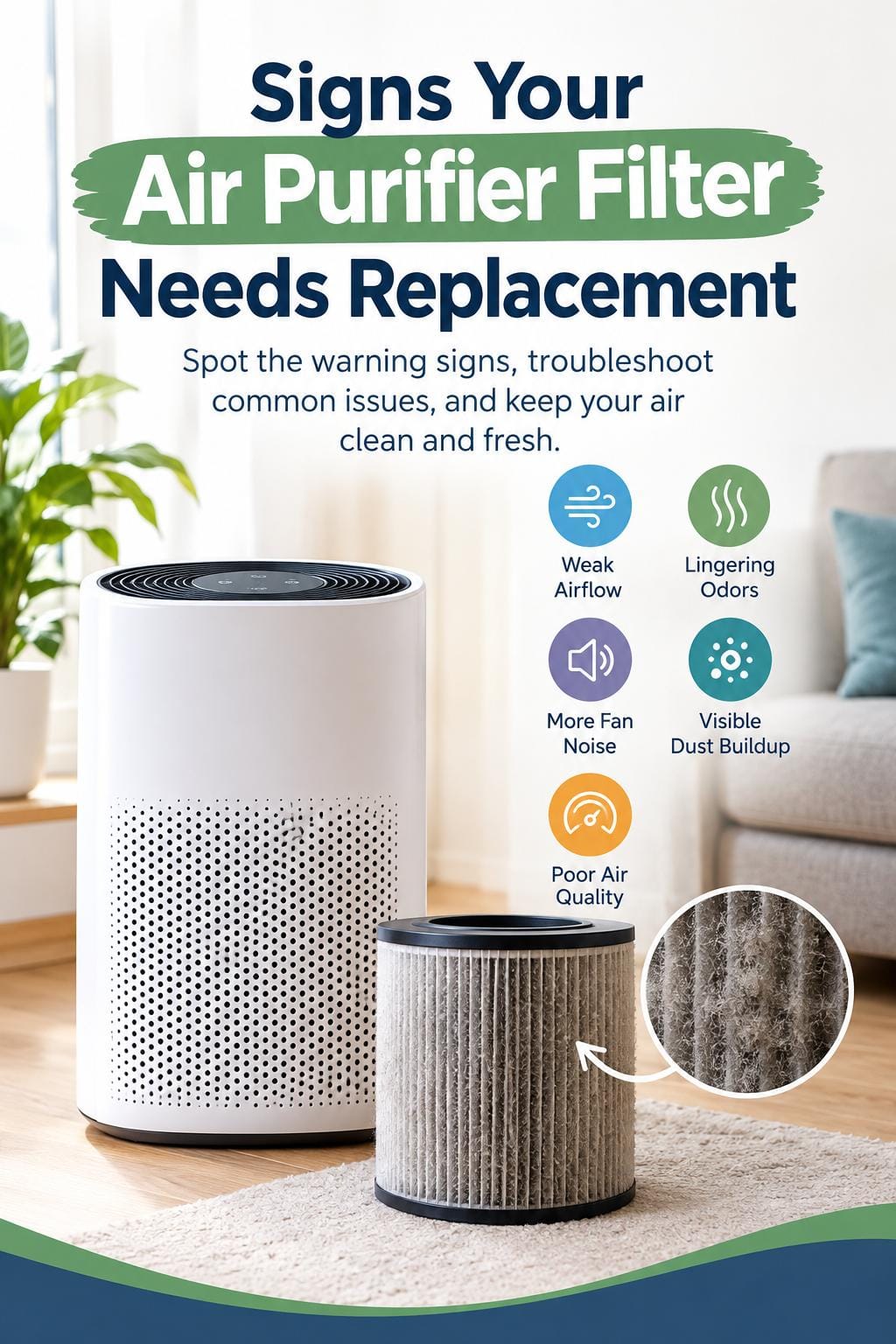
An air purifier can only clean the air effectively when its filter is in good condition. As the filter traps dust, pollen, pet dander, smoke particles, and other pollutants, it gradually becomes loaded. Eventually, airflow can suffer and the purifier may no longer perform as well as it did when the filter was new.
Air Purifiers
Best Air Purifiers for Dust Mites and Pet Dander in 2026: Top Picks for Allergy Relief

If you struggle with allergies, asthma, or persistent indoor dust, the air inside your home may be contributing more to your symptoms than you realize. Dust mites and pet dander are among the most common indoor allergens, and because they’re lightweight, they can stay suspended in the air for hours before settling on furniture, carpets, and bedding.
HEPA vs Activated Carbon Filters: Key Differences, Benefits & Which One You Need
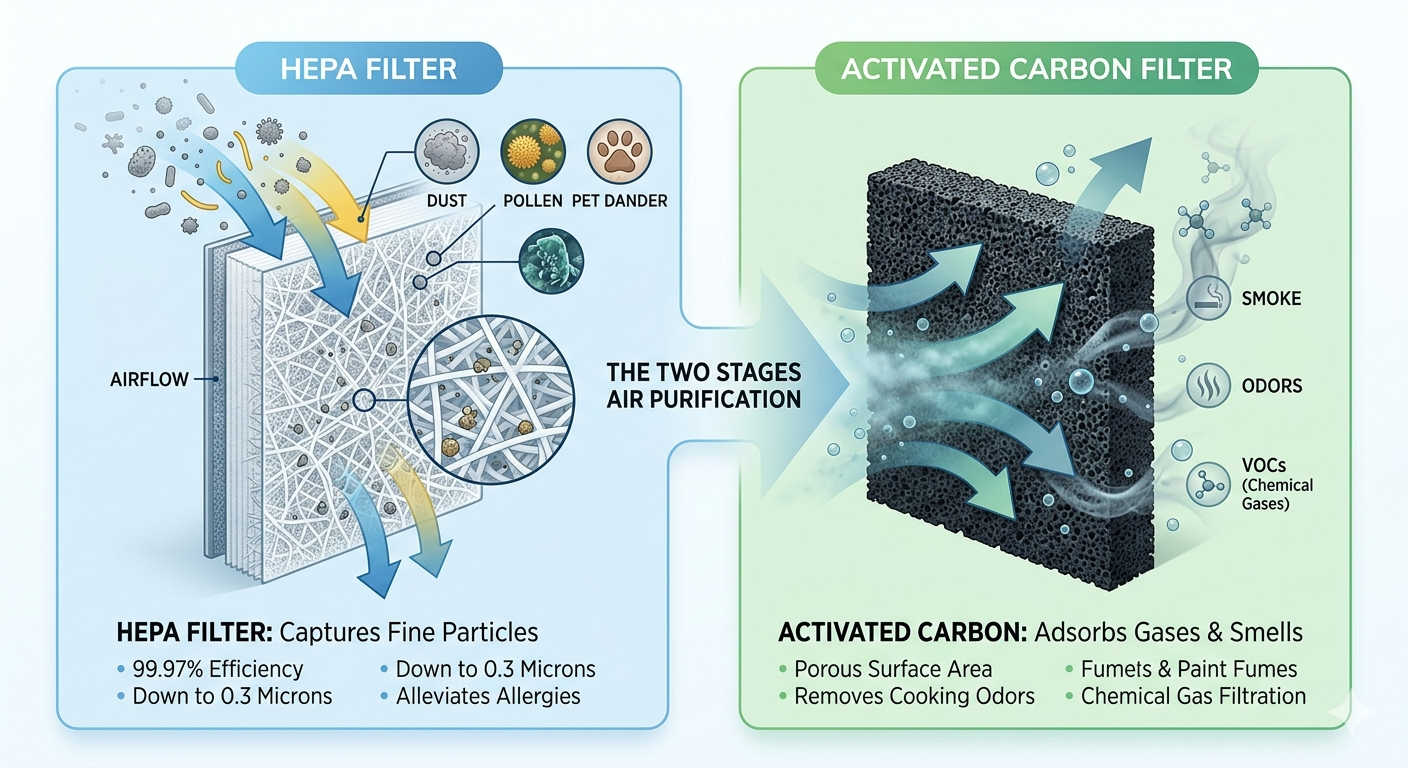
Indoor air pollution is often worse than outdoor air. Dust, allergens, smoke, chemical fumes, and odors can all accumulate inside homes and workplaces. Because of this, air purifiers and filtration systems have become increasingly popular.
How Often Should You Replace Air Purifier Filters? Complete Maintenance Guide
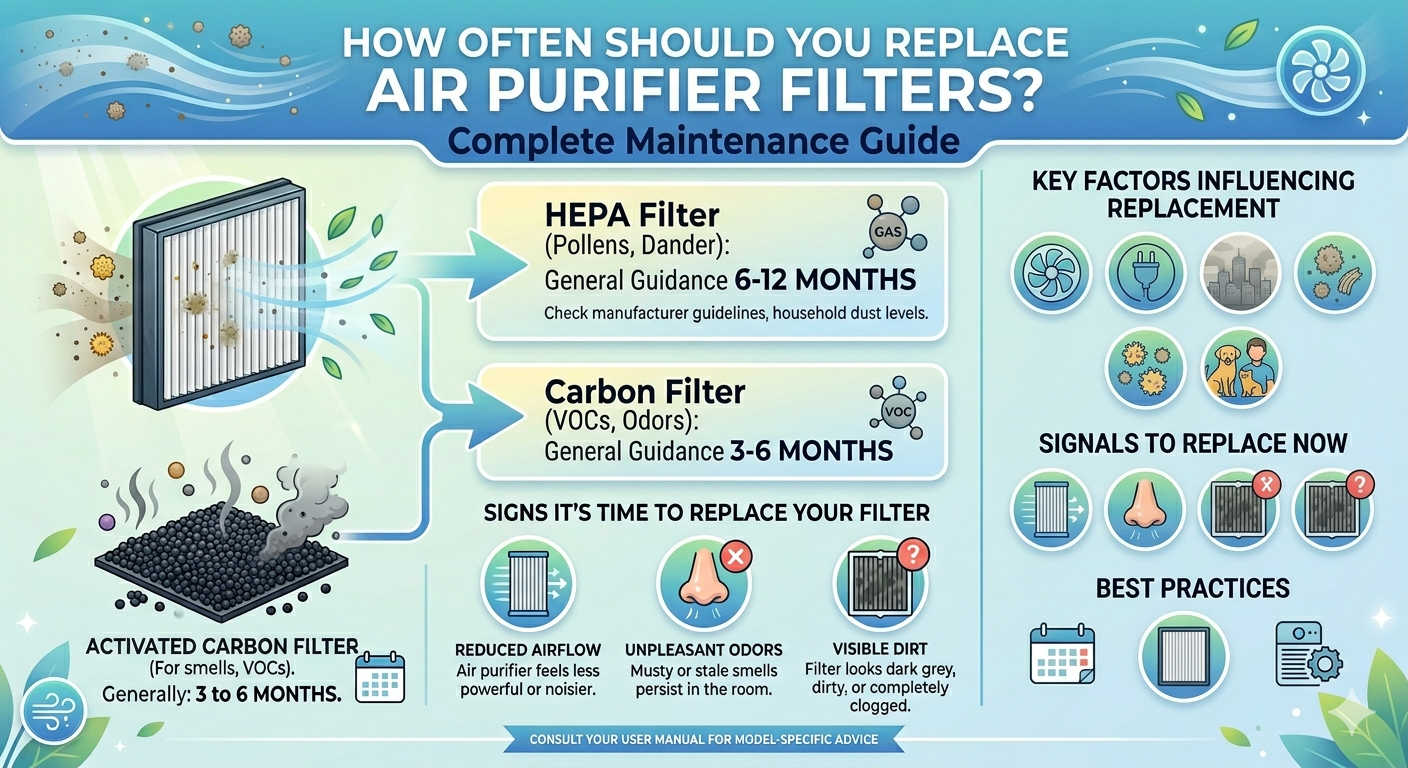
Indoor air quality has become a growing concern for many households. Dust, pollen, pet dander, smoke particles, and other pollutants can accumulate inside homes and affect breathing comfort and overall health. Air purifiers are designed to remove these contaminants and improve indoor air quality, but they can only perform effectively if their filters are maintained properly.
True HEPA vs HEPA-Type Filters: Which Is Better for Clean Air in 2026?

Clean indoor air is no longer a luxury—it’s a necessity. With increasing air pollution, allergens, pet dander, and microscopic contaminants circulating in our homes, choosing the right air filter has become a critical decision. If you’ve been researching air purifiers or HVAC filters, you’ve likely come across two common terms: True HEPA and HEPA-type filters.