
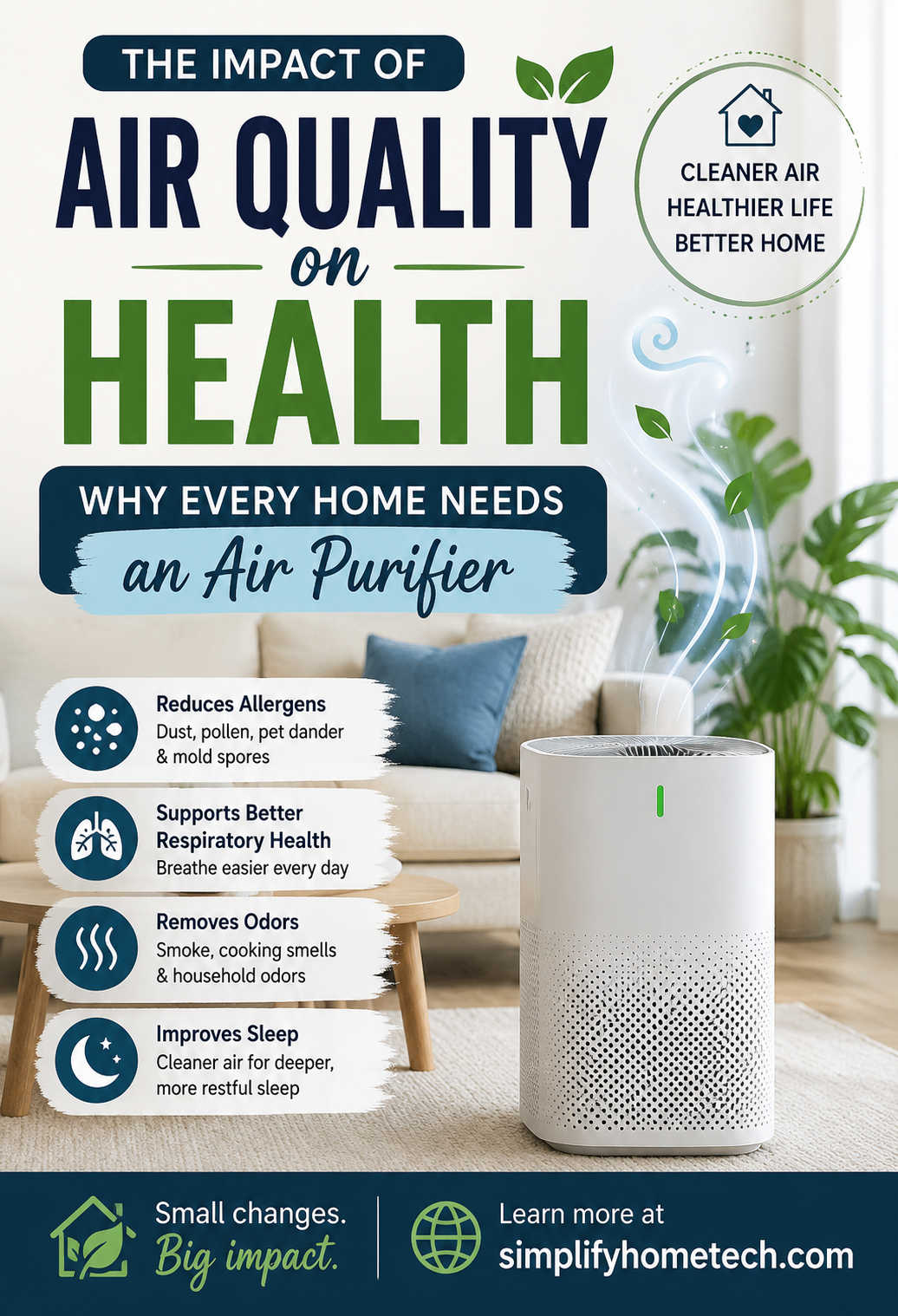
Indoor air quality has become a growing concern in recent years, yet it remains one of the most overlooked aspects of maintaining a healthy lifestyle. While many people focus on balanced nutrition, regular exercise, and quality sleep, the air they breathe every day often receives far less attention. The truth is that indoor air can contain a variety of pollutants that may affect your health without you even realizing it.
Since most people spend the majority of their time indoors—whether at home, at work, or in school—the quality of indoor air has a direct impact on overall well-being. Dust, pet dander, pollen, smoke, mold spores, and chemical pollutants can build up inside homes and circulate continuously. Over time, exposure to these contaminants may contribute to allergies, respiratory issues, headaches, and reduced comfort.
Fortunately, improving indoor air quality doesn’t have to be complicated. An air purifier is one of the most effective ways to remove airborne pollutants and create a cleaner, healthier living environment. In this guide, you’ll learn how indoor air quality affects your health, the benefits of using an air purifier, and what to consider when choosing one for your home.
Why Indoor Air Quality Matters
Many people assume that the air inside their homes is cleaner than the air outdoors. In reality, indoor air can sometimes contain higher concentrations of pollutants because contaminants become trapped inside enclosed spaces with limited ventilation.
Everyday activities such as cooking, cleaning, burning candles, using scented products, and even bringing outdoor pollen inside on clothing or shoes can reduce indoor air quality. Building materials, furniture, carpets, and household cleaning products may also release volatile organic compounds (VOCs), which can remain in the air for extended periods.
When these pollutants accumulate, they can affect your health and make your home less comfortable.
Common Sources of Indoor Air Pollution
Understanding what contributes to indoor air pollution is the first step toward creating a healthier home.
Dust and Dust Mites
Household dust consists of tiny particles such as dead skin cells, fabric fibers, dirt, and microscopic debris. Dust mites thrive in these environments and are a common trigger for allergy symptoms.
Pet Dander
If you have pets, tiny flakes of skin known as dander are constantly released into the air. Unlike pet hair, dander is lightweight and can remain airborne for long periods, making it a common cause of allergies.
Pollen
Pollen easily enters homes through open windows, doors, shoes, clothing, and pets. Even if you spend most of your time indoors, pollen can continue to circulate throughout your home.
Mold Spores
Bathrooms, kitchens, laundry rooms, and basements with excess moisture are ideal environments for mold growth. Mold spores can spread through the air and negatively affect respiratory health.
Smoke and Cooking Fumes
Smoke from tobacco, fireplaces, candles, and cooking releases fine particles that can linger in the air long after the source has disappeared.
Volatile Organic Compounds (VOCs)
Many paints, cleaning products, adhesives, air fresheners, and furniture emit VOCs. Prolonged exposure to these chemicals may contribute to headaches, eye irritation, and breathing discomfort.
Airborne Germs
Although no air purifier can completely prevent illness, certain models help reduce airborne particles that may carry bacteria and viruses, contributing to a cleaner indoor environment.
How Poor Air Quality Can Affect Your Health
Poor indoor air quality can affect anyone, but children, older adults, allergy sufferers, and people with respiratory conditions are often the most vulnerable.
Increased Allergy Symptoms
Indoor allergens such as dust mites, pollen, mold, and pet dander can trigger symptoms including:
- Sneezing
- Runny or blocked nose
- Watery eyes
- Itchy throat
- Skin irritation
Reducing these allergens can significantly improve daily comfort.
Respiratory Problems
Breathing polluted indoor air may irritate your airways, causing coughing, wheezing, shortness of breath, or worsening asthma symptoms. Long-term exposure to airborne pollutants may also increase the risk of chronic respiratory issues.
Poor Sleep Quality
Air quality can influence how well you sleep. Nasal congestion, coughing, and dry air can interrupt sleep, leaving you feeling tired and less productive the next day.
Headaches and Fatigue
Chemical pollutants and poor ventilation may contribute to headaches, dizziness, difficulty concentrating, and ongoing fatigue. Cleaner indoor air often creates a more comfortable and refreshing living space.
Long-Term Health Concerns
Although occasional exposure is unlikely to cause serious harm, spending years in a poorly ventilated environment with elevated levels of pollutants may increase the risk of long-term health problems. Maintaining cleaner indoor air is a simple step toward supporting your overall health.
What Does an Air Purifier Do?
An air purifier is designed to improve indoor air quality by continuously filtering airborne contaminants. It pulls air into the unit, passes it through one or more filters, and releases cleaner air back into the room.
Depending on the filtration system, an air purifier can capture:
- Dust
- Pet dander
- Pollen
- Mold spores
- Smoke particles
- Fine particulate matter (PM2.5)
- Certain airborne bacteria
- Odors
- Some chemical pollutants
The result is fresher, cleaner air that is easier to breathe.
Key Benefits of Using an Air Purifier
Helps Reduce Allergens
One of the biggest advantages of an air purifier is its ability to reduce airborne allergens. This can make a noticeable difference for people who experience seasonal allergies or reactions to pets.
Supports Better Respiratory Health
Cleaner air means fewer irritants entering your lungs. People with asthma or sensitive airways may find it easier to breathe when airborne particles are reduced.
Removes Smoke and Unpleasant Odors
Air purifiers equipped with activated carbon filters can help reduce cooking smells, smoke, and household odors, creating a fresher indoor environment.
Improves Sleep
Cleaner air may reduce nighttime congestion and coughing, helping you enjoy more restful sleep.
Reduces Airborne Dust
Although regular cleaning is still necessary, an air purifier helps capture airborne dust before it settles on furniture and other surfaces.
Creates a Healthier Home
Whether you live with children, older adults, pets, or simply want a cleaner living space, an air purifier contributes to a healthier indoor environment.
How to Choose the Right Air Purifier
Not every air purifier performs the same, so it’s important to select one that meets your needs.
Look for a True HEPA Filter
A True HEPA filter can capture at least 99.97% of airborne particles as small as 0.3 microns, making it one of the most effective filtration options available.
Choose the Right Room Size
Always select a purifier that matches or exceeds the size of the room where it will be used. A unit that’s too small won’t clean the air efficiently.
Consider Activated Carbon Filtration
If odors, smoke, or VOCs are a concern, choose a model that includes a substantial activated carbon filter in addition to HEPA filtration.
Check the CADR Rating
The Clean Air Delivery Rate (CADR) measures how quickly an air purifier removes common pollutants. Higher ratings generally indicate better performance.
Evaluate Noise Levels
For bedrooms or home offices, look for quiet models with sleep mode or adjustable fan speeds.
Think About Maintenance Costs
Filter replacements are an ongoing expense. Before purchasing, check how often filters need replacing and how much they cost.
Who Should Consider an Air Purifier?
Almost every household can benefit from cleaner indoor air, but air purifiers are particularly useful for:
- Allergy sufferers
- People with asthma
- Families with young children
- Pet owners
- Older adults
- Individuals living in areas with high pollution
- Homes affected by wildfire smoke
- Anyone working remotely who spends long hours indoors
Additional Ways to Improve Indoor Air Quality
While an air purifier is an excellent investment, combining it with healthy habits will maximize results.
Some practical ways to improve indoor air quality include:
- Vacuum regularly using a vacuum with a HEPA filter.
- Dust surfaces with microfiber cloths.
- Replace HVAC filters on schedule.
- Use kitchen and bathroom exhaust fans.
- Control indoor humidity to reduce mold growth.
- Avoid smoking indoors.
- Choose low-VOC paints and cleaning products.
- Open windows when outdoor air quality is good to increase ventilation.
These simple practices work alongside an air purifier to create a healthier home.
Is an Air Purifier Worth Buying?
For many households, the answer is yes.
An air purifier isn’t a substitute for regular cleaning or proper ventilation, but it is a valuable addition to a healthy home. By continuously removing airborne pollutants, it helps reduce allergens, minimize dust, improve air freshness, and create a more comfortable indoor environment.
The benefits are especially noticeable for people with allergies, asthma, pets, or those living in areas with seasonal wildfire smoke or higher levels of outdoor pollution.
When viewed as a long-term investment in your family’s health and comfort, an air purifier offers excellent value.
Product Recommendation: What Type of Air Purifier Should You Choose?
If you’re planning to buy an air purifier, prioritize performance over unnecessary features. A quality model should include a True HEPA filter to capture fine airborne particles and an activated carbon filter to help reduce odors, smoke, and certain gaseous pollutants.
It’s also important to choose a unit with a Clean Air Delivery Rate (CADR) that’s appropriate for the size of your room. Features such as automatic air quality sensors, multiple fan speeds, sleep mode, and filter replacement indicators can improve convenience without compromising performance.
For most homes, a mid-range air purifier from a well-established manufacturer offers an excellent balance of filtration efficiency, energy consumption, noise level, and long-term maintenance costs. Before making a purchase, compare filter replacement expenses, warranty coverage, and verified customer reviews to ensure you’re selecting a model that delivers reliable performance over time.
Final Thoughts
The air you breathe indoors has a greater impact on your health than many people realize. Everyday pollutants such as dust, pollen, pet dander, smoke, mold spores, and chemical emissions can affect your comfort, disrupt sleep, and contribute to allergies or respiratory problems.
Investing in a high-quality air purifier is one of the simplest ways to improve your indoor environment. When combined with regular cleaning, proper ventilation, and routine home maintenance, it helps create cleaner, fresher air for everyone in your household.
Ultimately, better indoor air quality isn’t just about comfort—it’s about supporting your long-term health. Taking steps today to reduce airborne pollutants can help you and your family breathe easier and enjoy a healthier home for years to come.
You might also like,
- Best HEPA Air Purifiers 2026: Top Picks for Cleaner Indoor Air
- True HEPA vs HEPA-Type Filters: Which Is Better for Clean Air in 2026?
- How HEPA Filters Work: The Science Behind Air Purification Explained
- How Often Should You Replace Air Purifier Filters? Complete Maintenance Guide
- HEPA vs Activated Carbon Filters: Key Differences, Benefits & Which One You Need