
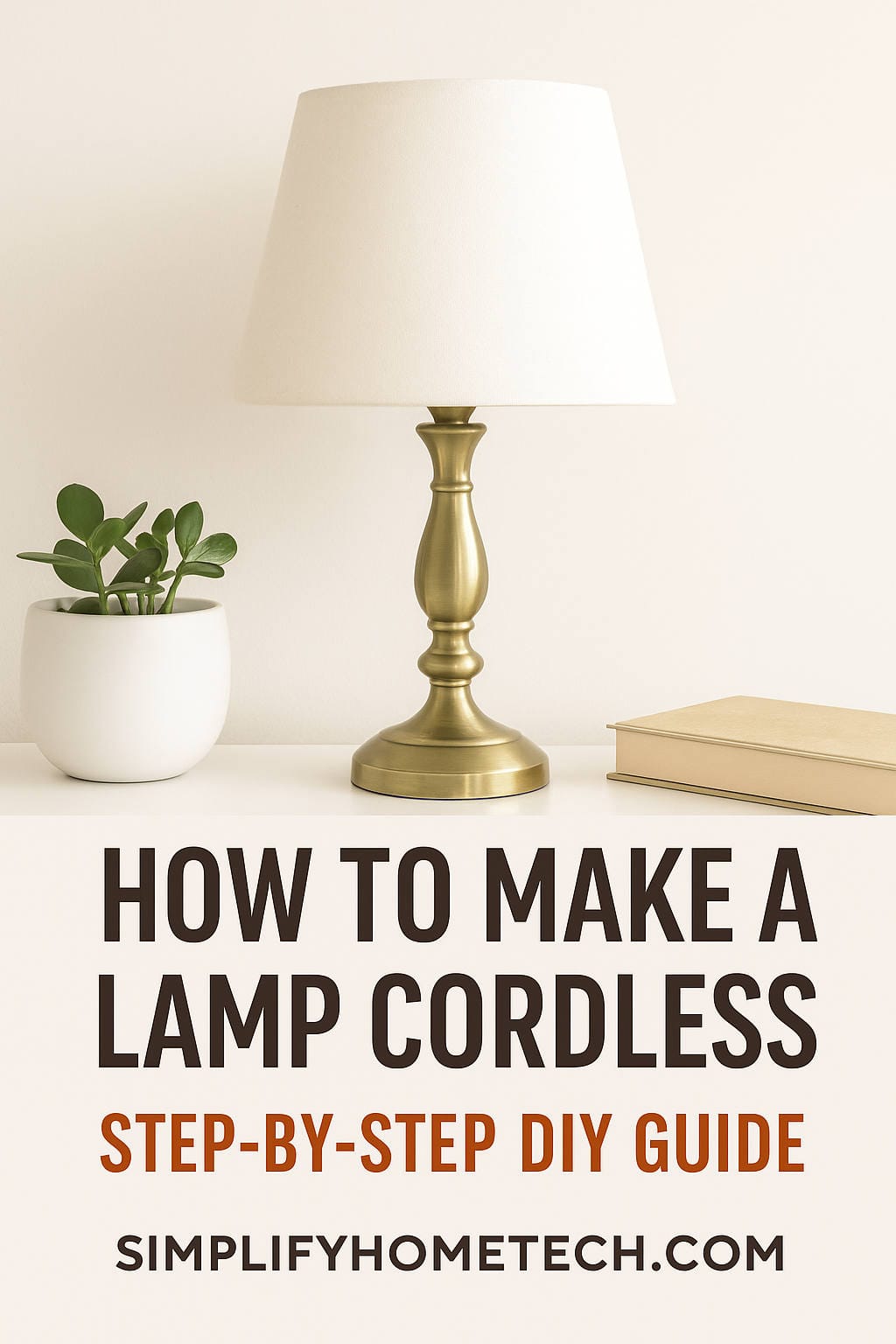
A well-placed lamp can completely change the atmosphere of a room. The problem is that the best location isn’t always close to a power outlet. Whether you’re decorating a cozy reading corner, styling a dining table, or adding light to a patio, power cords often limit your options and create unnecessary clutter.
Fortunately, making a lamp cordless is easier than many people think. Depending on the type of lamp you own and how you plan to use it, there are several safe and effective ways to convert it into a portable light source. Some methods require nothing more than swapping the bulb, while others involve installing a rechargeable battery system for a more permanent solution.
This guide explains the most practical ways to make a lamp cordless, the tools you’ll need, important safety considerations, and how to choose the option that best fits your needs.
Why Convert a Lamp to a Cordless Design?
Cordless lighting has become increasingly popular because it combines convenience with flexibility. Without a visible power cord, a lamp can be placed almost anywhere without worrying about the location of electrical outlets.
This added freedom is especially useful in living rooms, bedrooms, home offices, outdoor entertaining spaces, and rental properties where installing additional outlets may not be possible.
Beyond aesthetics, cordless lamps are practical for temporary lighting during gatherings, seasonal decorating, and even short-term power interruptions. Many homeowners also appreciate the cleaner appearance that comes from eliminating exposed cables.
While purchasing a purpose-built cordless lamp is always an option, converting an existing lamp allows you to keep a favorite piece of décor while giving it modern functionality.
Before You Begin: Is Your Lamp Suitable for Conversion?
Not every lamp can or should be converted into a cordless model. Before making any modifications, it’s important to understand how your lamp is powered.
The safest candidates are lamps that use energy-efficient LED bulbs. LEDs consume significantly less electricity than incandescent or halogen bulbs, making them ideal for battery-powered operation. Their lower energy requirements also allow batteries to last much longer between charges.
If your lamp relies on high-wattage incandescent bulbs, converting it to cordless power is usually impractical. These bulbs draw far more electricity, quickly draining batteries and generating heat that can shorten battery life or create safety concerns.
If you’re unsure whether your lamp is compatible, check the bulb type, wattage, and manufacturer specifications before purchasing any conversion components.
Option 1: Use a Rechargeable LED Light Bulb
For most people, replacing the existing bulb with a rechargeable LED bulb is the simplest way to make a lamp cordless.
These bulbs contain an internal rechargeable battery that powers the light even when the lamp isn’t plugged into an electrical outlet. Many models recharge through a USB cable and can also function like a standard bulb when connected to household power.
Installation takes only a few minutes. After removing the old bulb, simply screw in the rechargeable version and charge it according to the manufacturer’s instructions. Once fully charged, the lamp can be moved wherever additional lighting is needed.
This approach is ideal for decorative table lamps, bedside lamps, and accent lighting because it requires no wiring modifications.
The primary limitation is runtime. Depending on the bulb’s brightness and battery capacity, you may need to recharge it after several hours of use. However, for occasional lighting or evening ambiance, many users find this to be the most convenient solution.
Option 2: Convert Your Lamp with a Rechargeable Battery Pack
If you want a more integrated cordless setup, installing a rechargeable battery pack offers greater flexibility and longer operating times.
Unlike rechargeable bulbs, this method powers the lamp through an external rechargeable battery housed inside or beneath the lamp base. The battery connects directly to the lamp’s electrical system and can be recharged when needed.
This type of conversion is most suitable for LED lamps designed to operate at low voltage.
Because the battery becomes part of the lamp itself, the finished result often looks cleaner than using external accessories. Depending on battery size and lamp power consumption, operating times can range from several hours to an entire day between charges.
Although the installation process is more involved, many DIY enthusiasts prefer this option because it creates a permanent cordless solution without changing the lamp’s appearance.
Anyone unfamiliar with electrical wiring should proceed carefully or seek professional assistance, as improper wiring can damage the lamp or create safety hazards.
Option 3: Power a USB Lamp with a Portable Power Bank
Some modern lamps already use USB power instead of a traditional electrical plug. These lamps are among the easiest to convert into portable lighting.
Instead of connecting the lamp to a wall adapter, plug it directly into a rechargeable USB power bank. Since power banks are available in a wide range of capacities, you can choose one based on how long you expect to use the lamp.
For example, a small bedside lamp may operate for several evenings on a medium-sized power bank, while larger LED desk lamps may require higher-capacity models for extended use.
Another advantage is flexibility. If the battery eventually loses capacity, replacing the power bank is much easier than modifying the lamp again.
Choosing the Right Battery Capacity
Battery capacity has a direct impact on how long your cordless lamp will remain illuminated.
Small batteries are lightweight and easy to conceal, making them suitable for decorative lamps that are used for short periods each evening. Larger batteries provide significantly longer runtimes but require additional space inside or beneath the lamp.
It’s also important to match the battery’s voltage and output with the lamp’s electrical requirements. An incompatible battery may prevent the lamp from operating correctly or could damage sensitive electronic components.
Rather than selecting the largest battery available, choose one that balances runtime, portability, and the available space within your lamp.
Safety Tips for Converting a Lamp to Cordless
Safety should always be your first priority when modifying any electrical device.
Always disconnect the lamp from household power before beginning any work. Even a simple bulb replacement should be performed with the lamp unplugged to eliminate the risk of electric shock.
Whenever possible, use LED lighting instead of incandescent bulbs. LEDs generate far less heat, improving battery efficiency while reducing the possibility of overheating.
Rechargeable batteries should include built-in protection against overcharging, over-discharging, and short circuits. These safety features help extend battery life while minimizing potential hazards.
After completing the conversion, test the lamp for several minutes before regular use. Check that the light operates consistently, the battery remains cool during charging, and no unusual odors or excessive heat develop.
If you notice flickering, overheating, or inconsistent performance, discontinue use until the issue has been identified and corrected.
Common Problems When Making a Lamp Cordless
Even well-planned conversions occasionally run into problems. Understanding the most common issues can save time and help you identify the cause more quickly.
The Lamp Won’t Turn On
If the lamp fails to light, begin by checking the battery charge. A partially charged battery may not provide enough power to start the lamp.
Next, inspect all connections. Loose wiring or poor contact between the battery and lamp can interrupt the electrical circuit, preventing power from reaching the bulb.
If you’re using a rechargeable bulb, verify that the lamp’s switch is turned on. Many rechargeable bulbs still rely on the lamp switch to complete the circuit, even though they’re operating from their internal battery.
The Battery Doesn’t Last Very Long
Short battery life usually indicates that the lamp is consuming more power than expected.
This often happens when using older incandescent bulbs instead of LEDs. Switching to an energy-efficient LED can dramatically increase operating time because LEDs require only a fraction of the electricity.
Battery age is another consideration. Rechargeable batteries gradually lose capacity after repeated charging cycles. If runtime has steadily declined over several months or years, replacing the battery may restore normal performance.
Flickering or Dim Lighting
Flickering typically points to inconsistent power delivery.
Loose electrical connections are one of the most common causes because even slight interruptions in the circuit can make LEDs flash or dim unexpectedly.
An underpowered battery can produce similar symptoms. If the battery cannot deliver sufficient current, the lamp may appear noticeably dim or flicker during operation.
Checking each connection and confirming that the battery meets the lamp’s electrical requirements usually resolves the problem.
The Lamp Gets Too Warm
Although LED lamps generate relatively little heat, excessive warmth should never be ignored.
Heat often indicates that the battery, charger, or electrical components are operating outside their intended limits. Continued use under these conditions can shorten component lifespan and increase safety risks.
Allow the lamp to cool, inspect the battery specifications, and ensure adequate airflow around the battery compartment before using it again.
Should You Upgrade Instead of Converting?
Converting an existing lamp isn’t always the best solution.
If your lamp uses outdated wiring, requires high-wattage bulbs, or shows signs of wear, purchasing a purpose-built cordless lamp may provide better long-term reliability and safety. Modern cordless lamps often include features such as touch controls, adjustable brightness, built-in rechargeable batteries, and USB-C charging.
On the other hand, if you own a decorative lamp that matches your home’s style and remains in good condition, converting it can be an economical way to preserve its appearance while adding portability.
The right choice depends on your budget, technical comfort level, and how frequently you plan to use the lamp away from a wall outlet.
Tips for Getting the Best Results
A successful cordless conversion starts with choosing energy-efficient components that work together.
Prioritize LED lighting whenever possible, use rechargeable batteries with built-in safety protection, and avoid exceeding the recommended voltage or wattage for your lamp. Taking a little extra time to secure wiring properly and test the system before regular use can prevent many common issues later.
If portability is your primary goal, a rechargeable bulb or USB power bank offers an excellent balance of simplicity and convenience. If you’re looking for a cleaner, more permanent solution, a dedicated battery pack may be worth the additional effort.
Final Thoughts
Making a lamp cordless is a practical project that combines convenience, flexibility, and modern design. Whether you choose a rechargeable LED bulb, a built-in battery pack, or a USB power bank, each method offers a way to free your lighting from the limitations of wall outlets.
The best option depends on your lamp, your budget, and how you intend to use it. For most homeowners, a rechargeable LED bulb provides the quickest and easiest upgrade with minimal effort. Those looking for a long-term solution may prefer a rechargeable battery conversion, while USB-powered lamps pair naturally with portable power banks.
Whichever approach you choose, always prioritize safety, use high-quality components, and verify compatibility before making any modifications. With careful planning, you can enjoy clean, portable lighting that fits your space without the distraction of trailing power cords.
You might also like,