
Have you ever tried to take a relaxing shower, only to be greeted by a disappointing trickle of water that barely rinses the soap off? Or maybe you’ve waited forever for the washing machine to fill up, wondering why everything in your home suddenly feels like it’s moving in slow motion. If that sounds familiar, you’re probably dealing with low water pressure—a frustrating yet common problem in many homes.
The good news? Low water pressure isn’t always a plumbing emergency. In many cases, it’s something you can troubleshoot and fix yourself, without calling a plumber. But before you can fix it, you need to understand what’s causing the issue and what steps to take. In this guide, we’ll walk you through everything you need to know—from identifying the problem to fixing it for good.
Why Water Pressure Matters More Than You Think
We often take strong water flow for granted. It fills bathtubs quickly, powers through dishwashing tasks, and makes showers feel like a spa. When the pressure drops, though, everything slows down. Not only is it annoying, but it can also be a sign of bigger problems like clogged pipes, hidden leaks, or aging plumbing.
Water pressure is measured in pounds per square inch (psi). Ideally, your home’s water pressure should be between 40 and 60 psi. Anything consistently below 40 psi is considered low and can start causing trouble across multiple fixtures and appliances.
Common Signs You’re Dealing with Low Water Pressure
Low pressure doesn’t always hit you like a hammer—it can creep up subtly. Here are some telltale signs that the water in your home isn’t flowing the way it should:
- Faucets take forever to fill a glass or sink
- Shower water barely drizzles out
- Washing machines and dishwashers take longer than usual to cycle
- Toilet tanks refill slowly
- Water pressure drops dramatically when more than one fixture is in use
- Uneven pressure between hot and cold water
If you’ve noticed one or more of these issues, it’s time to start investigating.
So, What’s Causing Your Low Water Pressure?
Let’s break down the most common causes, so you know where to look first.
1. Blocked Faucet Aerators or Showerheads
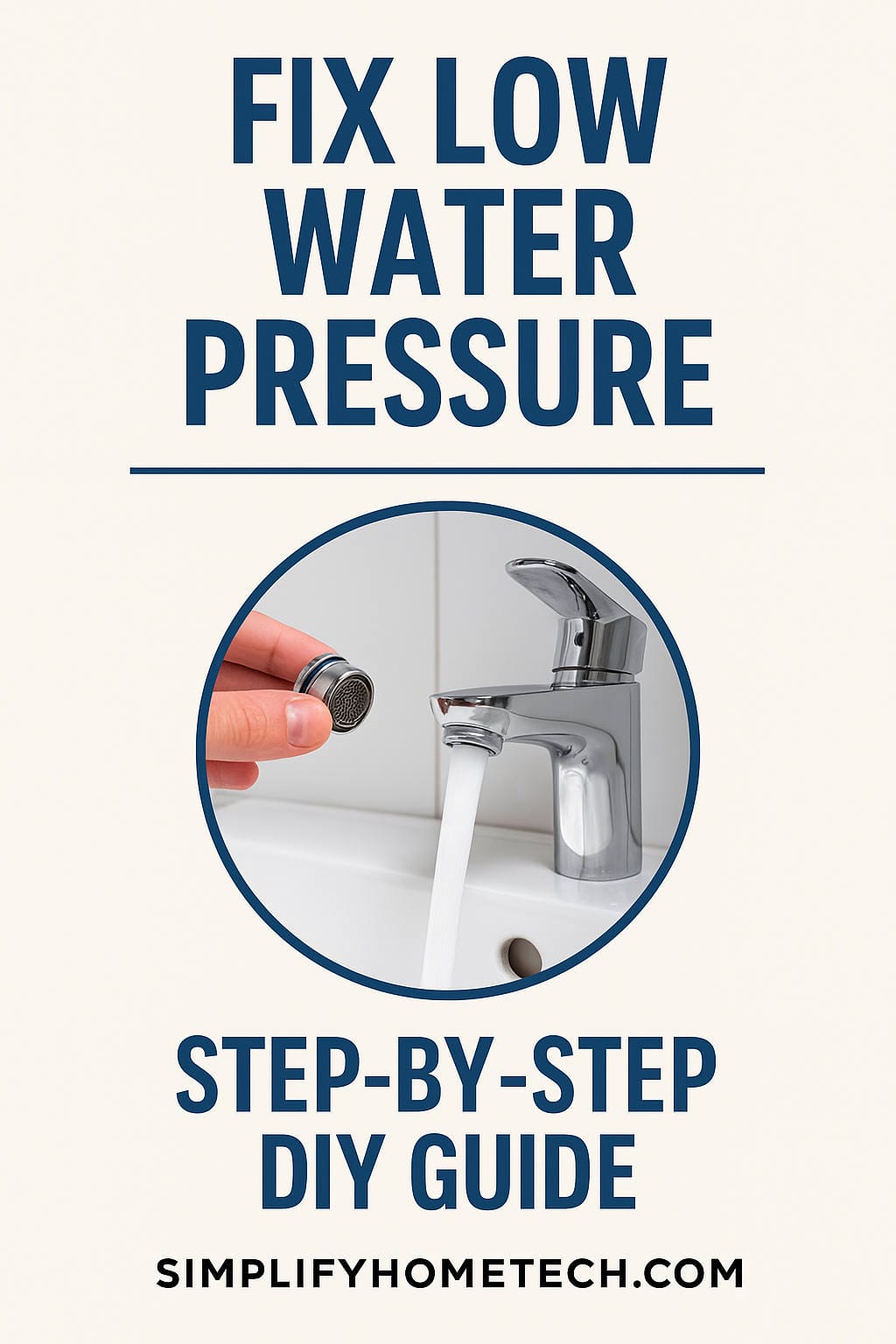
This is one of the easiest problems to fix. Over time, mineral deposits from hard water can clog the tiny holes in your faucet aerators or showerheads, reducing flow.
2. Partially Closed Valves
Your home has a few key valves, like the main shut-off valve and possibly a water meter valve. If any of them are even slightly closed, it can choke your water supply.
3. Faulty Pressure Regulator
Some homes have a pressure-reducing valve (PRV) that keeps the pressure within a safe range. When these valves fail, the pressure can become either too high or too low.
4. Hidden Leaks in the Plumbing
Even a small leak somewhere in your plumbing system can reduce pressure. You’re essentially losing water before it ever reaches your taps.
5. Corroded or Old Pipes
Older homes often have galvanized steel pipes that corrode from the inside out, narrowing the passage and restricting flow. This is a more serious issue, often requiring professional replacement.
6. Municipal Supply Problems
Sometimes the problem has nothing to do with your home. The city or water provider could be doing repairs, or your neighborhood could be experiencing high demand at peak times.
7. Shared Water Lines
If your home shares a main line with neighbors, water usage in nearby houses could cause noticeable drops in your own pressure—especially during busy hours.
Start With Simple Diagnostics: Is It a Whole-House Problem?
Before you panic or start pulling apart your plumbing, you’ll want to identify whether the issue is happening in one area or throughout your home. Here’s how:
Check Multiple Fixtures
Try running water in various parts of the house. If only one faucet or shower has weak pressure, the problem is likely isolated—a clogged aerator or valve. If the pressure is low everywhere, you’re looking at a system-wide issue.
Test the Water Pressure Yourself
You don’t need to guess. Pick up a water pressure gauge from a hardware store (they’re cheap—usually under $15). Screw it onto an outdoor faucet and open it fully. A reading under 40 psi confirms a low-pressure problem. If it’s significantly below that, like in the 20s, you’ll need to take action quickly.
DIY Fixes for Low Water Pressure – Step-by-Step
Once you’ve pinpointed the issue, you can start working on the solution. Here are practical, hands-on fixes for common low-pressure problems.
1. Clean Faucet Aerators and Showerheads
What you need:
- White vinegar
- A small bowl
- An old toothbrush or soft brush
How to do it:
- Unscrew the aerator from the faucet or the showerhead from the pipe.
- Soak the part in vinegar for at least 30 minutes to break down mineral buildup.
- Use the toothbrush to scrub away residue.
- Rinse and reinstall.
You’d be surprised how much this simple fix can improve water flow.
2. Make Sure Valves Are Fully Open
Your main water valve (usually found near the water meter or in the basement) and the water meter valve (usually outside) should be fully open.
Tip:
- Turn the valve counterclockwise until it stops.
- If it’s a lever-style valve, make sure it’s parallel to the pipe.
3. Adjust the Pressure Regulator
If your home has a pressure-reducing valve, it’s usually located near where the main water line enters your home. It looks like a bell-shaped device.
To adjust:
- Loosen the locking nut.
- Turn the adjustment screw clockwise to increase pressure.
- Retighten the lock nut when done.
- Monitor water pressure using your gauge.
If adjusting doesn’t help, the regulator may be defective and need replacing.
4. Look for Leaks
Leaks don’t always show up as puddles. They can hide in walls, under floors, or outside the house.
Signs of a leak:
- An unusually high water bill
- Wet spots on walls or floors
- Mold or mildew smell
- Constant sound of running water
Quick test:
- Turn off all water fixtures.
- Check your water meter.
- If it continues to move, you likely have a leak.
For anything beyond a dripping faucet, it’s best to call a plumber.
5. Flush Your Water Heater
Sediment buildup in your water heater can restrict hot water pressure.
How to flush it:
- Turn off the heater and let it cool.
- Attach a hose to the drain valve.
- Open the valve and let it drain into a bucket or outside.
- Turn the water supply back on briefly to stir up and flush out more sediment.
- Close the valve, remove the hose, and restore power to the heater.
Do this once a year to maintain hot water pressure.
6. Replace Old Pipes (if Necessary)
This isn’t a weekend DIY project—but it’s an important consideration. If your home is older and still has galvanized pipes, corrosion may be strangling your water flow. Replacing old pipes with PEX, copper, or PVC piping will not only fix pressure problems but can also improve water quality and prevent future leaks.
While repiping your home is an investment, it pays off long-term—and increases your property value.
7. Install a Pressure Booster Pump
If the municipal water supply just doesn’t deliver enough pressure, even when everything else is working correctly, a booster pump can help. These systems increase incoming water pressure before it reaches your home’s pipes.
Cost:
- DIY pump kits start around $300
- Professional installation can run $800–$2,000 depending on system size and complexity
If you’re on a well system, pressure tanks can serve a similar purpose.
When It’s Time to Bring in a Pro
Sometimes, no amount of vinegar, wrenches, or troubleshooting will solve the problem. Here’s when it makes sense to call a licensed plumber:
- Your pressure regulator is faulty and needs replacing
- You’ve found leaks in walls, ceilings, or underground
- Your water main may be partially blocked or damaged
- Your pipes are severely corroded and need repiping
- You’re getting inconsistent hot/cold water pressure
A plumber can perform a more thorough diagnostic using tools like pipe cameras and pressure testing kits, which homeowners generally don’t have access to.
Keep the Pressure High: Maintenance Tips to Prevent Future Issues
Once you’ve resolved your water pressure woes, it’s worth putting a few preventative measures in place to make sure it doesn’t happen again.
1. Install Whole-House Water Filters
Filters help remove sediment, rust, and minerals before they enter your plumbing system, preventing buildup in fixtures and pipes.
2. Flush the Water Heater Annually
As mentioned earlier, this keeps sediment from collecting and restricting hot water flow.
3. Schedule Regular Plumbing Inspections
A yearly check-up from a plumber can catch small problems before they become big ones.
4. Replace Old Fixtures
Newer faucets and showerheads are not only more efficient, but they’re also designed to maintain strong flow while using less water.
5. Consider Upgrading Pipes
If you live in an older home, slowly replacing aging galvanized pipes with modern PEX or copper piping can prevent future corrosion issues and maintain strong water pressure.
Final Thoughts
Dealing with low water pressure doesn’t have to be a long-term frustration. With a bit of investigation and some hands-on work, many homeowners can pinpoint and solve the issue themselves. From something as simple as cleaning an aerator to installing a booster pump, there are a range of solutions for different causes.
Of course, not all plumbing problems are DIY-friendly. Don’t hesitate to bring in a professional if you’re facing hidden leaks, failing regulators, or outdated pipes. It’s better to get expert help than risk water damage or bigger problems down the line.
Strong, consistent water pressure doesn’t just make life easier—it makes your home run more efficiently and feel more comfortable. So don’t ignore those weak trickles and slow-filling appliances. Get ahead of the problem, fix what you can, and enjoy the difference a little water power can make.
Need help with your water pressure? Share your symptoms in the comments or contact a trusted local plumber for personalized advice. Sometimes, a quick tip is all it takes to get things flowing again.
You might also like,