
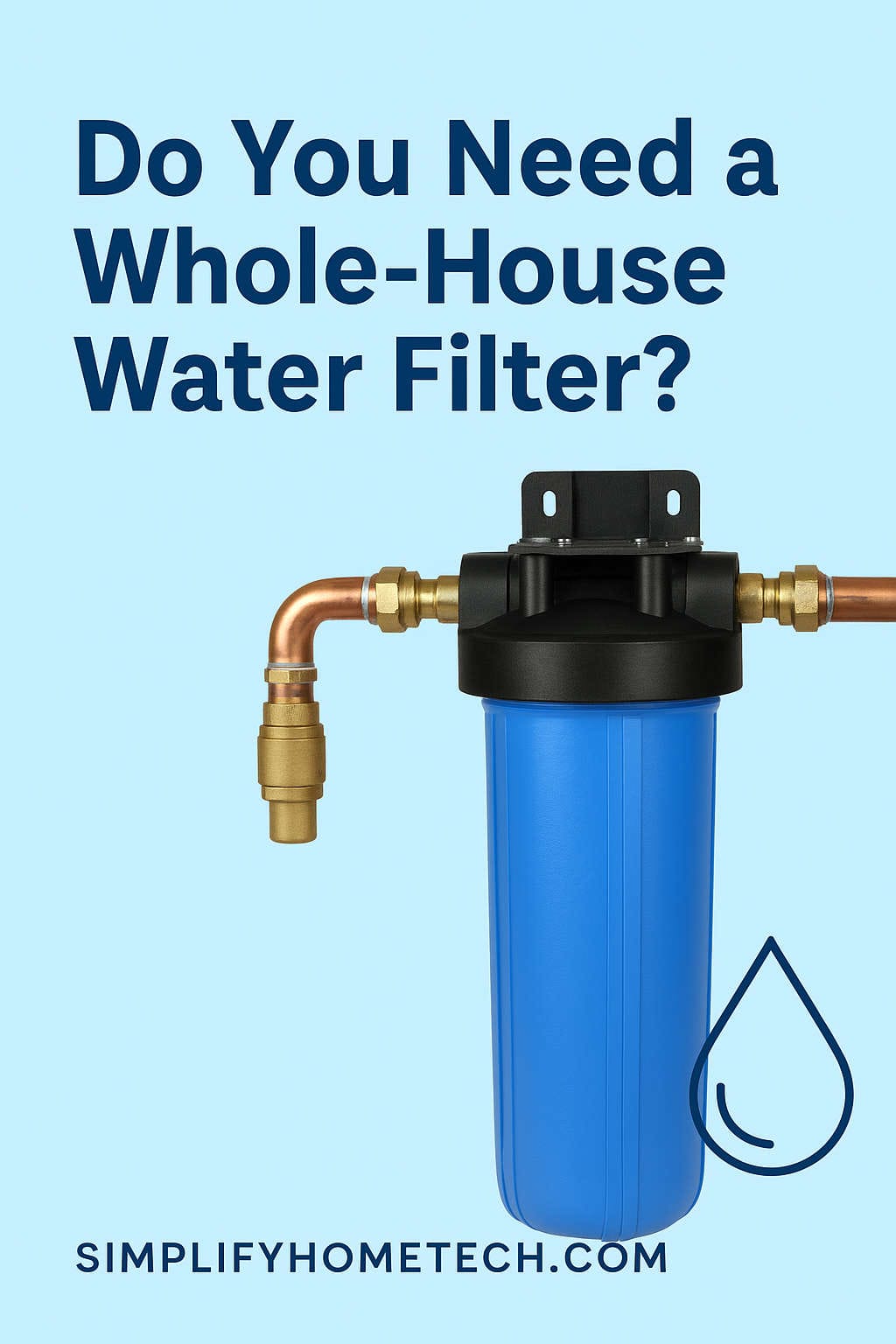
Water is one of the most essential resources in our daily lives, yet many of us take its quality for granted. We drink it, cook with it, shower in it, wash our clothes and dishes with it, and depend on it to keep our homes running smoothly. But what if the water flowing from your taps isn’t as clean or safe as you think? That’s where whole-house water filters come into the conversation. For some households, they are a life-changing upgrade. For others, they may be an unnecessary expense. The real question is: Do you need a whole-house water filter? Let’s take a deep dive into everything you should know.
Understanding What a Whole-House Water Filter Does
Unlike the small filters you attach to your kitchen faucet or place inside a pitcher, a whole-house water filter works on a much bigger scale. Installed at the point where your main water line enters your home, it ensures that every drop of water flowing into your sinks, showers, washing machine, dishwasher, and even your backyard hose has been filtered.
Think of it as a security checkpoint. Before water travels through your plumbing, it passes through a series of filtration stages that remove or reduce contaminants. Depending on the type of system you choose, this can include sediment, chlorine, chloramines, heavy metals like lead or mercury, pesticides, and even microorganisms. The ultimate goal is simple: consistent access to clean, safe, and good-tasting water throughout your entire house.
Why People Consider Whole-House Filters
Many homeowners begin exploring whole-house water filters after noticing something unusual about their water. Sometimes, it’s an obvious issue such as a foul odor or visible discoloration. Other times, it’s more subtle—like dry skin after a shower or frequent appliance breakdowns. Let’s look at a few common reasons people invest in these systems.
Odd Tastes and Smells
If your water tastes metallic, bitter, or has a strong chemical smell, it often means chlorine or other substances are present in significant amounts. While chlorine is commonly used to disinfect municipal water, it can make the water unpleasant to drink or cook with. A whole-house filter can resolve this issue across the board.
Sediment and Rust Problems
Sometimes, water looks cloudy or carries particles of sand and rust. Not only is this unappealing, but over time, sediment can wear down pipes and household appliances. Whole-house sediment filters are designed to capture these particles before they circulate in your system.
Skin and Hair Irritation
People with sensitive skin often complain that unfiltered water leaves them feeling itchy, dry, or irritated. Chlorine and certain minerals are often the culprits. With a good filtration system, shower water becomes gentler on the skin and hair.
Well Water Safety
Homes that rely on private wells often face unique challenges. Unlike city water, well water isn’t treated by a municipal authority. It can contain bacteria, pesticides, nitrates, and minerals. A filtration system is essential in these cases for safe daily use.
Long-Term Health and Peace of Mind
Even if your water looks and tastes fine, invisible contaminants could still be present. Parents with small children, households with elderly family members, and anyone who simply wants the peace of mind that their water is as clean as possible may decide to invest in filtration.
The Benefits That Make a Difference
Installing a whole-house water filter isn’t just about cleaner water for drinking. It creates ripples of improvement in many aspects of home life.
Safer and Better-Tasting Drinking Water
Filtered water from every faucet eliminates the need to rely on bottled water or separate filters in the kitchen. Cooking and beverages also taste noticeably fresher.
Healthier Showers and Baths
Chlorine, chemicals, and minerals don’t just affect your stomach. They interact with your skin and hair as well. Families often notice reduced dryness, softer hair, and fewer skin flare-ups after installing a system.
Protecting Appliances and Plumbing
Over time, minerals and sediment act like sandpaper inside your appliances. Dishwashers, washing machines, and water heaters often break down earlier than expected in homes with untreated water. A filter extends their lifespan, saving you money in the long run.
Cleaner Laundry and Dishes
Filtered water improves the effectiveness of detergents and soaps. Clothes come out brighter and softer, while dishes lose that annoying cloudy film.
Peace of Mind
Even if you can’t see or taste contaminants, knowing that your entire household water supply is filtered provides a level of reassurance that many homeowners find invaluable.
Potential Drawbacks You Should Weigh
Of course, whole-house filters are not a perfect solution for everyone. It’s important to consider the downsides alongside the benefits.
Cost is the biggest factor. A quality system can range from $800 to $3,000, not including professional installation. Maintenance costs also add up over time, as filters must be replaced every few months to a year depending on the model.
Maintenance commitment. If you forget or neglect to change filters, the system becomes less effective and may even allow contaminants to accumulate. This means owning one comes with the responsibility of regular upkeep.
Potential water pressure reduction. If you choose a filter not properly sized for your household’s water usage, you may notice weaker showers and slower flow from faucets.
Not one-size-fits-all. No single filter eliminates every type of contaminant. You may need to combine systems—for example, a carbon filter for chlorine and a UV purifier for bacteria.
Types of Whole-House Filtration Systems
The water filter market isn’t one-size-fits-all. The best choice depends on the specific problems in your water supply.
- Sediment Filters are designed for large particles like dirt, sand, or rust. These are often used as the first stage of filtration.
- Carbon-Based Filters target chlorine, chloramines, pesticides, and volatile organic compounds. They are especially useful in areas where municipal water has been heavily treated.
- Water Softeners work differently by exchanging calcium and magnesium ions with sodium or potassium. This process prevents limescale buildup, which can save appliances from damage.
- UV Purifiers don’t filter particles but instead disinfect water by deactivating bacteria, viruses, and parasites using ultraviolet light.
- Reverse Osmosis Systems offer the most thorough filtration, removing up to 99% of contaminants, but whole-house RO systems are expensive and usually impractical for large households.
Most whole-house systems use a combination of these technologies to address multiple issues at once.
Comparing Whole-House Filters with Other Options
Before making a purchase, it’s worth thinking about whether you truly need your entire home’s water filtered. In some cases, a smaller solution may do the job.
Pitcher filters are cheap and convenient, but they only treat a small amount of drinking water at a time. Under-sink filters work well if your main concern is safe drinking and cooking water, but they don’t protect your showers or appliances. Refrigerator filters are handy for cold water and ice, but they’re limited in scope.
A whole-house filter, by contrast, provides blanket protection. It makes sense if your water has widespread issues or you want every source of water in your home to be safe and clean. If your only concern is taste at the kitchen sink, a smaller filter may be more economical.
How Much Does It Really Cost?
The upfront cost of a system varies widely. A simple sediment or carbon filter system may cost a few hundred dollars, while advanced multi-stage systems often reach a few thousand. Professional installation adds anywhere from $500 to $2,000 depending on complexity. And let’s not forget ongoing maintenance—replacement filters can add $50 to $300 per year.
While these numbers may feel high, many homeowners find the long-term benefits justify the cost. Appliances last longer, bottled water expenses shrink, and the overall comfort and health improvements make it worthwhile.
Choosing the Right Filter for Your Home
The key to making the right decision lies in understanding your water’s specific needs.
Step one is testing your water. You can purchase an at-home test kit or send samples to a certified laboratory. This will reveal the presence of chlorine, heavy metals, bacteria, nitrates, and more.
Step two is knowing your water source. City water is treated but often contains chlorine and chloramines. Well water varies dramatically depending on your location and surrounding land use, but it frequently carries bacteria, pesticides, or minerals.
Step three is matching the system to your results. For chlorine taste, a carbon filter is sufficient. For bacteria, a UV system is ideal. For hard water, a softener makes sense. If you face multiple problems, a multi-stage system may be the most effective.
Step four is checking the flow rate. Filters are rated in gallons per minute (GPM). A family of four may need a system that supports at least 10–15 GPM to avoid water pressure issues.
Finally, don’t overlook maintenance. If you prefer a set-it-and-forget-it approach, choose a system with long-lasting filters that only need annual replacement.
Should You Install It Yourself or Hire a Pro?
Technically, some handy homeowners can install basic filtration units. However, whole-house systems usually require cutting into your main water line and ensuring a watertight seal. Mistakes can cause leaks, water damage, or reduced efficiency. For most households, hiring a licensed plumber is the safest option. Professional installation also ensures your system is set up for maximum performance.
Maintaining Your Investment
Once you’ve installed a system, the work isn’t done forever. To keep it functioning properly, you need to:
- Replace filters on the schedule recommended by the manufacturer.
- Sanitize or flush the system annually, especially if you use well water.
- Monitor water pressure and replace clogged filters promptly.
Think of it like changing the oil in your car. Neglecting maintenance will shorten the lifespan of the system and reduce its benefits.
Do You Really Need One?
The answer depends on your unique circumstances. If your tap water consistently tests safe, tastes fine, and doesn’t damage appliances or irritate your skin, then a whole-house system may not be necessary. An under-sink filter for drinking water might meet your needs perfectly.
On the other hand, if you struggle with strange tastes or odors, sediment, staining, hard water, or health concerns, then the investment can be transformative. For families on well water, it’s often a necessity rather than a luxury.
Final Thoughts
A whole-house water filter isn’t just a gadget—it’s an investment in your home, your health, and your comfort. While the upfront cost and maintenance requirements may give some homeowners pause, the improvements to water quality throughout the entire household are hard to ignore. Clean water is more than just something we drink—it touches every part of our lives, from the way we feel after a shower to the longevity of the appliances we depend on every day.
So, do you need a whole-house water filter? If you’re dealing with water quality issues or simply want the peace of mind of knowing every faucet and shower delivers clean, safe water, then the answer is a confident yes. Just be sure to test your water, research your options carefully, and choose a system that aligns with your household’s needs and lifestyle. Done right, it’s an upgrade that pays dividends for years to come.
You might also like,
- How to Flush a Water Heater Step-by-Step (DIY Guide for Homeowners)
- How to Prevent Frozen Pipes in Winter: Expert Tips to Protect Your Home
- Top 10 Plumbing Maintenance Tips for 2025 | Save Money & Prevent Problems
- How to Fix Low Water Pressure in Your Home: Simple DIY Solutions That Work
- Best Smart Water Leak Detectors for 2025 | Protect Your Home from Water Damage