
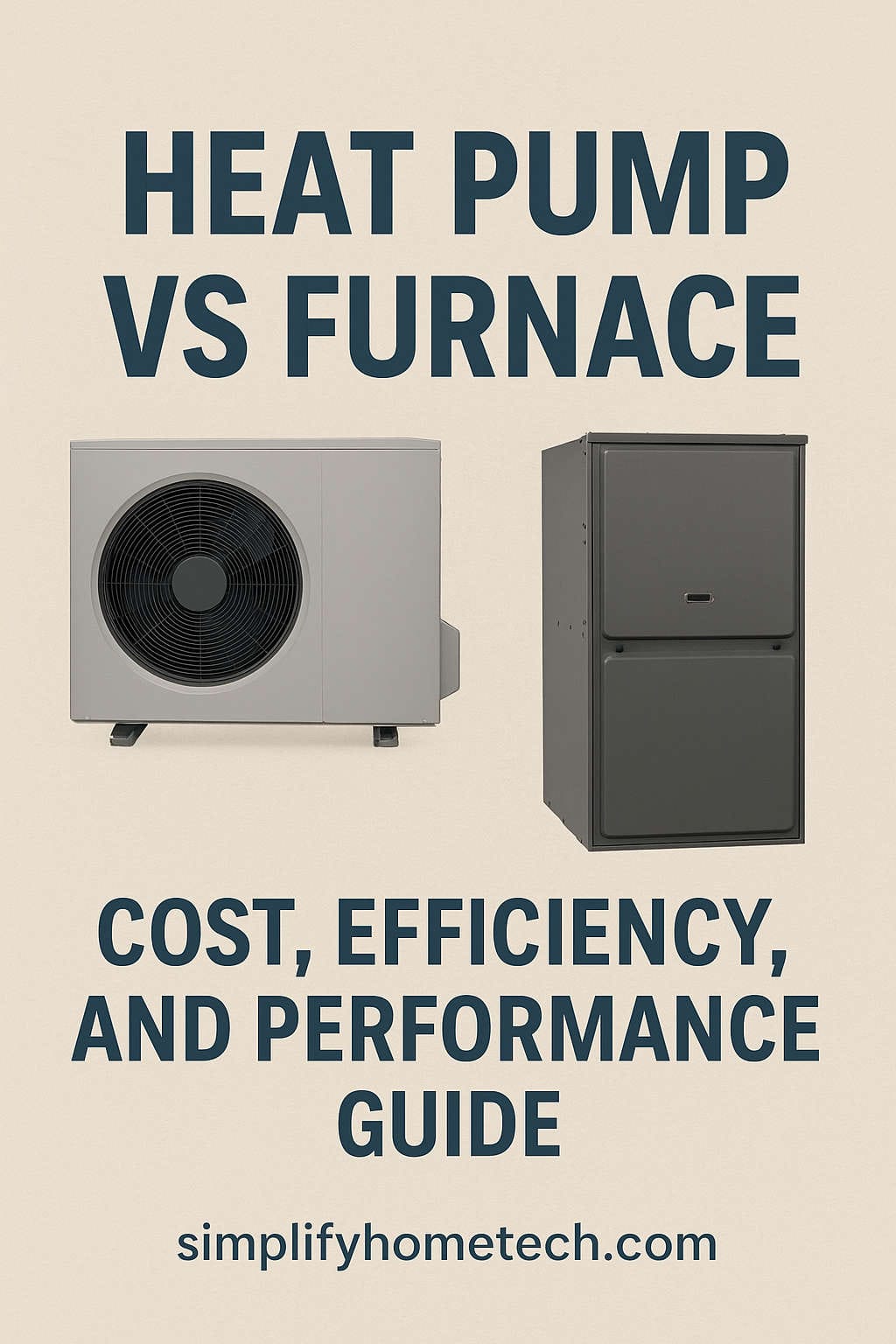
Choosing the right heating system is one of the most important decisions a homeowner can make. Heating equipment directly affects your monthly utility bills, overall home comfort, noise levels, indoor air quality, and even long-term property value. With rising energy prices and a shift toward more efficient technologies, many homeowners today are trying to understand the differences between heat pumps and furnaces — and which system is truly the better investment.
Both heat pumps and furnaces can warm your home, but they do so in very different ways. A furnace generates heat, while a heat pump moves heat from one place to another. These differences impact installation cost, energy use, comfort levels, and long-term savings. This comprehensive guide walks you through everything you need to know — including cost comparisons, efficiency insights, performance across different climates, maintenance needs, environmental impact, and recommended heating options depending on your home and climate.
Understanding How Heat Pumps and Furnaces Work
How a Furnace Works
A furnace creates heat by burning fuel or using electric heating elements. Gas furnaces are the most common in many regions, followed by propane or fuel-oil furnaces in rural areas and electric furnaces in homes without gas lines. Modern gas furnaces use a heat exchanger to warm air, and then a blower forces that air through ducts to heat your home. They may run at single-stage, two-stage, or fully modulating levels depending on the model.
Furnaces typically deliver air that feels hot to the touch and can raise room temperature quickly. Because they generate heat at high temperatures, they often produce short bursts of warm air followed by a pause until the next heating cycle starts.
How a Heat Pump Works
A heat pump does not burn fuel to create heat. Instead, it transfers heat using a refrigerant system similar to an air conditioner. In winter, it extracts heat from outdoor air (air-source heat pump) or the ground (geothermal heat pump) and brings it indoors. In summer, the process reverses and the system works as an air conditioner.
This all-in-one heating and cooling functionality is one of the biggest advantages of heat pumps. They run longer at lower output, creating a steady and consistent warmth instead of hot bursts of air. Modern cold-climate heat pumps are designed to work efficiently even when outside temperatures drop well below freezing.
Upfront Cost Comparison
Choosing the most affordable system requires understanding both equipment cost and installation cost. The final price varies depending on your home size, whether you have existing ductwork, local labor rates, and system brand.
Furnace Installation Costs
- Standard-efficiency gas furnaces generally cost less than premium models and require simpler venting.
- High-efficiency gas furnaces, which use sealed combustion and secondary heat exchangers, cost more upfront but save more on fuel.
- Electric furnaces usually have the lowest equipment cost but the highest operating cost unless electricity is inexpensive in your area.
Typical installed cost ranges:
- Gas furnace: $3,000–$8,000 depending on size and efficiency
- Electric furnace: $2,500–$6,000
- Additional cost if new ducts, vents, or electrical upgrades are required
Heat Pump Installation Costs
Heat pump installation varies significantly depending on the system type.
- Ducted air-source heat pump: $4,000–$10,000 installed
- Ductless mini-split heat pump: $1,500–$4,000 per indoor zone
- Cold-climate heat pumps: higher upfront cost due to advanced compressors
- Geothermal heat pumps: $15,000–$40,000+ depending on ground loop system
Because many homeowners need both heating and cooling, replacing a furnace and air conditioner with a bundled heat pump system often becomes cost-competitive in the long run.
Operating Cost: Which System Saves More Money?
Upfront cost is only one part of the equation. What really matters long-term is how much you pay to heat your home year after year.
Furnace Operating Costs
Operating cost depends on:
- Fuel price (natural gas, propane, oil, or electricity)
- Furnace efficiency (AFUE rating)
- Home insulation and duct quality
- Runtime during winter months
Gas furnaces can be inexpensive to operate where natural gas is abundant and priced low. However, propane and oil furnaces become expensive in areas with high fuel costs.
Heat Pump Operating Costs
Heat pumps are typically more affordable to run because they move heat rather than generating it, often delivering three times the amount of heat relative to the electricity they consume. This efficiency is represented by COP (Coefficient of Performance).
Operating cost depends on:
- Electricity price in your region
- Outdoor temperature (efficiency drops somewhat in extreme cold)
- System efficiency (HSPF rating)
- Whether backup heat is needed
In mild and moderate climates, heat pumps almost always outperform furnaces in yearly operating cost. In cold regions, modern cold-climate heat pumps remain highly competitive, especially when paired with good insulation and proper system sizing.
Efficiency: Which System Offers Better Long-Term Savings?
To understand efficiency, it helps to break down the differences between heat pumps and furnaces.
Furnace Efficiency
Furnaces are rated by AFUE (Annual Fuel Utilization Efficiency).
- 80% AFUE = 80% of fuel becomes usable heat
- 95% AFUE = 95% of fuel becomes usable heat
- 98–99% AFUE = ultra-high-efficiency furnaces
No matter how efficient, furnaces still rely on combustion (except electric models), meaning a portion of fuel converts into exhaust gases.
Heat Pump Efficiency
Heat pumps are rated using:
- COP (Coefficient of Performance) – efficiency at a given moment
- HSPF (Heating Seasonal Performance Factor) – overall seasonal efficiency
- SEER – cooling efficiency
A COP of 3 means the system produces three units of heat for every one unit of electricity consumed. Even in cold weather, advanced models maintain high efficiency using variable-speed compressors and modern refrigerants.
Which is More Efficient?
- In moderate and mild climates → heat pumps win clearly.
- In regions with high electricity costs → gas furnaces can be cheaper to operate.
- In extremely cold climates → cold-climate heat pumps or hybrid systems are often best.
Climate Performance: Heat Pumps vs Furnaces by Region
Warm and Moderate Climates
Heat pumps are the clear winner here. Winter temperatures rarely drop low enough to affect heat pump performance, and the ability to use the system for both heating and cooling makes it cost-effective.
Cold Climates
Historically, heat pumps struggled in harsh winters. Today, cold-climate heat pumps operate efficiently even at sub-freezing temperatures. They may still need backup heat during extreme cold, but they significantly reduce reliance on furnaces or electric resistance heat.
Very Harsh Winter Regions
In areas with extended periods of sub-zero temperatures, some homeowners prefer keeping a furnace as a backup. A hybrid heat pump + furnace combination offers the best balance between efficiency and reliability.
Comfort: Which Feels Better?
Comfort is subjective, but here are the major differences:
Furnace Comfort
- Produces hot air quickly
- Creates powerful bursts of warm airflow
- Can cause air dryness
- May lead to slight temperature swings due to on/off cycling
Heat Pump Comfort
- Provides steady, gentle warmth
- Runs longer, creating consistent temperatures
- Keeps indoor humidity more balanced
- Ductless systems offer zone-based comfort control
For many homeowners, the steady heat of a heat pump is more comfortable, especially in well-insulated homes.
Noise Levels: Which System Is quieter?
- Modern furnaces are fairly quiet but may produce noticeable airflow noise through ducts.
- Heat pumps have an outdoor compressor that generates some noise, but new inverter-driven models are surprisingly quiet — often quieter than older air conditioners.
- Ductless heat pumps operate at whisper-quiet indoor levels.
In general, newer high-efficiency models of both types have significantly reduced noise.
Lifespan and Maintenance
Furnace Lifespan
Most gas furnaces last 15–25 years with proper maintenance.
Common maintenance includes:
- Annual inspection
- Furnace filter replacement
- Checking for heat exchanger cracks
- Burner and ignition maintenance
Heat Pump Lifespan
Air-source heat pumps typically last 12–20 years depending on climate and usage.
Maintenance includes:
- Regular filter changes
- Outdoor coil cleaning
- Refrigerant inspection
- Clearing snow or debris from outdoor units
Geothermal Heat Pump Lifespan
The indoor equipment lasts around 20–25 years, while the ground loop system can last 50+ years.
Regular maintenance helps all systems perform better and last longer.
Environmental Impact
Environmental performance is a major factor for many homeowners today.
Furnaces
- Gas, propane, and oil furnaces burn fossil fuels
- Produce carbon emissions
- Efficiency improvements can reduce emissions but not eliminate them
Heat Pumps
- Run on electricity
- Produce zero on-site emissions
- When powered by renewable or low-carbon grids, they significantly reduce overall emissions
- Ideal for environmentally conscious homeowners
If sustainability is a priority, heat pumps are the superior option.
Installation Requirements and Considerations
Ductwork
- Homes with existing ductwork can install either system with minimal disruption.
- Homes without ducts may choose ductless heat pumps to avoid installing new ductwork.
Electrical Capacity
Heat pumps may require an electrical panel upgrade depending on system size.
Venting
Gas furnaces require exhaust venting and adherence to safety codes.
Space Requirements
Heat pumps require outdoor unit clearance; furnaces need proper ventilation and service space.
Recommended Products (Top-Rated Heating Solutions)
Below are some widely recognized, high-performance heating solutions suitable for different climates and needs. These mentions support SEO intent and help readers explore real-world options.
Recommended Heat Pumps
- Mitsubishi Hyper-Heat Cold Climate Heat Pump – excellent for harsh winter regions
- Daikin Premium Air-Source Heat Pump – known for quiet operation and high efficiency
Recommended Furnaces
- Goodman GR9S800803BN Gas Furnace – high efficiency at a budget-friendly price
Hybrid Dual-Fuel Systems
- Rheem Prestige Series Hybrid – heat pump + gas furnace combination for cold climates
- American Standard Hybrid Comfort System – excellent performance across extreme temperature swings
These system types and brands are well-regarded across the HVAC industry for reliability and energy performance.
When to Choose a Heat Pump
A heat pump is generally the better choice if:
- You want both heating and cooling in a single system
- You live in a mild or moderately cold climate
- You want lower monthly energy bills
- Your home has good insulation
- You prefer steady, consistent temperature
- You want an energy-efficient and environmentally friendly heating solution
- You plan to pair the system with solar power
Heat pumps are especially effective for:
- Newer homes
- Small to medium-sized houses
- Homes without natural gas access
- Homeowners committed to reducing carbon emissions
When to Choose a Furnace
A furnace may be the better option if:
- You live in a region with extremely cold winters
- Natural gas prices are lower than electricity in your area
- You want the fastest heating possible
- Your existing setup already uses gas lines and ducts
- You prefer very warm air during heating cycles
- You want a long-lasting system with minimal outdoor equipment
Furnaces remain popular in northern regions where temperatures routinely stay below freezing for long periods.
Hybrid Systems: The Best of Both Worlds?
A hybrid heat pump + gas furnace system offers flexibility and efficiency:
- The heat pump runs during mild and moderately cold weather.
- The furnace kicks in only during extremely low temperatures.
- This maximizes efficiency while ensuring reliable heat in harsh winters.
For homes in climate zones with wide temperature swings, this setup can deliver noticeable savings while providing comfort and reliability.
Long-Term Value and Resale Considerations
Heat pumps can add value to homes, especially in regions where efficiency and cooling capabilities are highly desired. They are often appealing to eco-conscious buyers.
High-efficiency furnaces also add value, particularly in cold climates where gas heating is preferred. A newer furnace can reassure buyers about reliability and maintenance.
Either system can be a selling point if it is modern, efficient, and properly maintained.
Maintenance Tips for Long-Term Efficiency
Heat Pump Maintenance Checklist
- Replace filters every 1–3 months
- Clean outdoor coil and remove debris
- Keep snow and ice away from outdoor unit
- Check refrigerant levels annually
- Maintain adequate airflow around indoor units
Furnace Maintenance Checklist
- Change furnace air filter regularly
- Inspect burners and flame sensor
- Ensure venting system is clear
- Clean blower motor and fan
- Schedule annual professional HVAC tune-up
Common Myths
“Heat pumps don’t work in cold weather.”
Modern cold-climate heat pumps are designed to perform efficiently in freezing temperatures.
“Furnaces are always cheaper to run.”
In many areas with high gas prices, heat pumps can cost less to operate.
“Heat pumps blow cold air.”
Heat pump airflow is gentler, not cold; it distributes heat evenly rather than blasting hot air.
“You must replace ducts to install a heat pump.”
Most homes with existing ducts can use a heat pump without major alterations.
Choosing the Right System: A Step-by-Step Guide
- Evaluate your climate zone
Mild → heat pump
Cold → cold-climate heat pump or hybrid
Very cold → furnace or hybrid - Compare electricity and gas prices
Higher electricity → furnace may be cheaper
Higher gas → heat pump usually wins - Consider your cooling needs
If you need AC anyway, a heat pump replaces two systems with one. - Check your home’s insulation
Better insulation = greater heat pump efficiency. - Assess your budget
Consider total cost: installation + operating cost + maintenance. - Review incentives or rebates
Many regions offer rebates that make heat pumps significantly cheaper. - Consult an HVAC professional
A proper load calculation ensures the right size and type of system.
Final Thoughts
The decision between a heat pump and a furnace depends on more than just upfront price. Climate, energy costs, comfort preferences, environmental goals, and long-term operating expenses all play major roles in choosing the best heating system.
- If you want steady comfort, long-term savings, lower emissions, and a combined heating-and-cooling solution — a heat pump is often the superior choice.
- If you live in a region with long, harsh winters and affordable natural gas — a furnace may provide the reliability and warmth you prefer.
- For the most versatile and efficient heating experience, a hybrid system can offer excellent performance year-round.
Whichever option you choose, proper installation, regular maintenance, and good insulation will ensure your home stays warm, comfortable, and energy-efficient for many years to come.
You might also like,
- Top Eco-Friendly HVAC Products for Energy-Efficient Homes
- Best Single-Zone Inverter Heat Pumps for Small Apartments
- HEPA vs Electrostatic Filters: Which Air Filter Is Best for Allergies?
- Best Electrostatic Pleated AC Filters for Allergies & Dust (2026 Guide)
- Ductless Mini-Split vs Central Air: Which HVAC System Is Right for Your Home?
- Best HEPA Air Purifiers for Bedrooms (2026): Sleep Better & Breathe Cleaner Air