
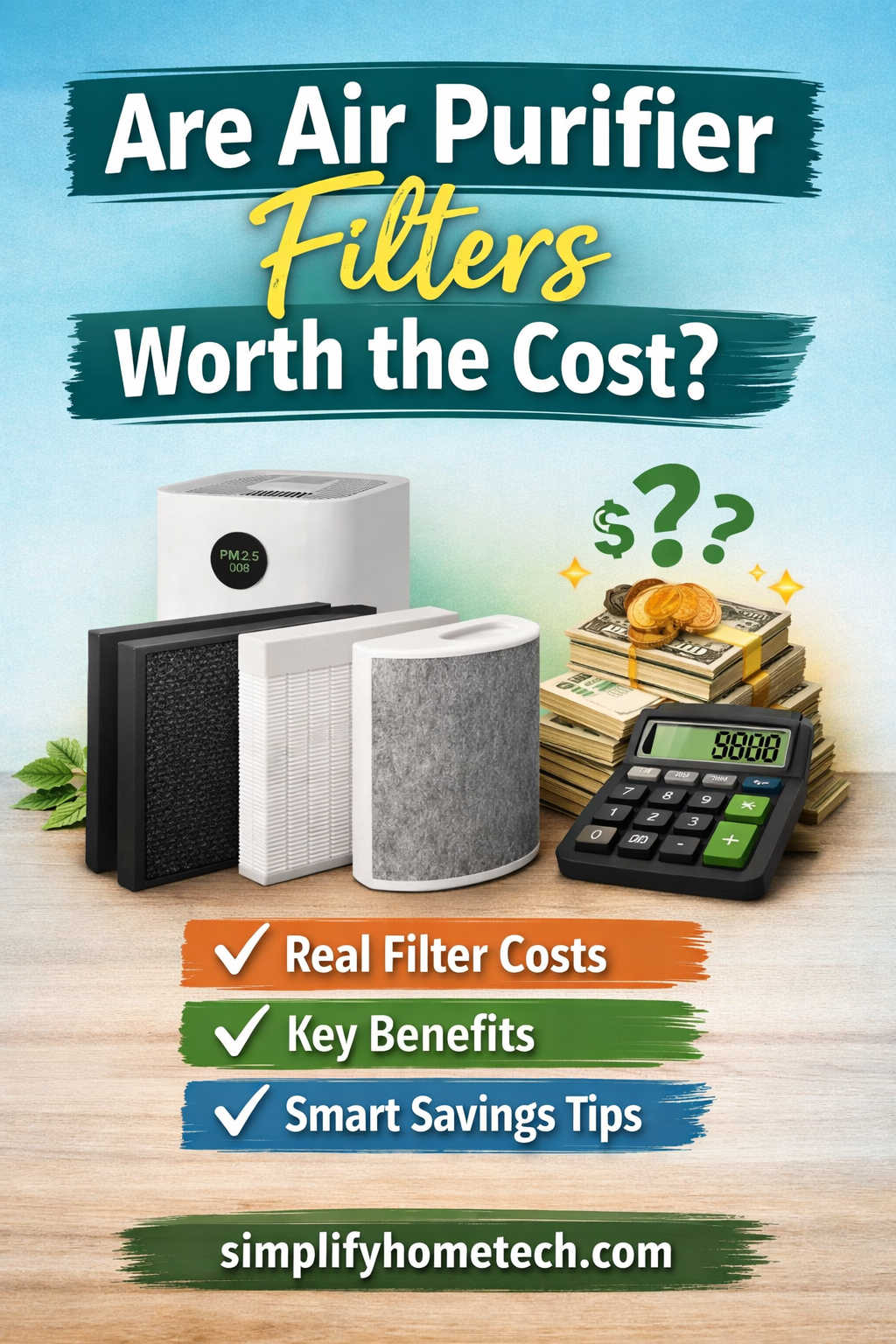
Air purifiers have become a common part of modern homes, especially in places where air pollution, dust, or allergies are a concern. But after buying one, many people quickly realize something important: the real cost isn’t just the device—it’s the replacement filters.
So the question naturally comes up:
Are air purifier replacement filters actually worth paying for?
This guide gives you a clear, honest answer. It breaks down costs, benefits, long-term value, and smart ways to save money—so you can decide what makes sense for your situation.
How Air Purifier Filters Actually Work
To understand the cost, you need to understand the function.
An air purifier pulls in air, passes it through multiple filters, and then releases cleaner air back into the room. The effectiveness depends almost entirely on the filters inside.
Most purifiers use a combination of:
Pre-Filter
This captures large particles like dust, hair, and lint. It’s usually washable and helps extend the life of more expensive filters.
HEPA Filter
This is the main filter. It captures very fine particles like pollen, smoke, and dust. A true HEPA filter can trap extremely small airborne pollutants, making it essential for health-related benefits.
Activated Carbon Filter
This removes odors, smoke, and certain gases. It’s especially useful if you cook often or live near traffic pollution.
Each of these filters wears out over time, which is why replacement is necessary.
How Often Do You Need to Replace Filters?
Replacement frequency depends on usage and environment, but here’s a realistic guideline:
- Pre-filter: clean every few weeks, replace every few months if needed
- HEPA filter: every 6–12 months
- Carbon filter: every 3–6 months
If you live in a highly polluted area or have pets, filters may wear out much faster. Running the purifier continuously also shortens filter lifespan.
The Real Cost of Replacement Filters
Let’s talk numbers.
On average:
- HEPA filters cost: $30–$100
- Carbon filters cost: $20–$60
- Combined filter systems: $40–$150
Estimated yearly cost:
👉 Around $50 to $200 per year
Over time, this adds up:
- 3 years: $150–$600
- 5 years: $250–$1,000
In many cases, you’ll spend as much or more on filters than on the purifier itself.
That’s why it’s important to evaluate whether the ongoing cost is justified.
Why You Can’t Just Keep Using the Same Filter
A common mistake is trying to stretch filter life too long.
Here’s what happens when a filter gets old:
- It becomes clogged with particles
- Airflow decreases
- Efficiency drops significantly
Eventually, the purifier may still run—but it won’t clean the air effectively.
In some cases, a dirty filter can even:
- Spread trapped pollutants back into the air
- Put strain on the motor
- Increase electricity usage
So skipping replacements doesn’t actually save money—it reduces performance and may cause bigger problems later.
Benefits of Replacing Air Purifier Filters
Now let’s look at what you get in return for the cost.
Cleaner Indoor Air
Fresh filters maintain high efficiency, removing dust, allergens, and fine particles that you would otherwise breathe in.
Better Health and Comfort
If you have allergies, asthma, or sensitivity to dust or smoke, clean filters can make a noticeable difference in how you feel daily.
Odor Control
Carbon filters help eliminate cooking smells, pet odors, and smoke, making your home more comfortable.
Consistent Performance
Replacing filters ensures your purifier works as intended, without reduced airflow or strain.
What Happens If You Don’t Replace Filters?
Skipping filter changes may seem like a way to save money, but the trade-offs are significant:
- Reduced air purification
- More dust and allergens indoors
- Possible worsening of respiratory issues
- Higher long-term costs due to device wear
At a certain point, the purifier becomes almost useless without a functioning filter.
When Replacement Filters Are Worth the Cost
Filters are generally worth it if any of these apply to you:
You Live in a Polluted Area
If outdoor air quality is poor, indoor filtration becomes much more valuable.
You Have Allergies or Asthma
Air purifiers can significantly reduce triggers like pollen and dust.
You Have Pets
Pet hair and dander quickly accumulate and require effective filtration.
You Use the Purifier Daily
Frequent use increases both the need and the benefit.
Your Home Has Poor Ventilation
In sealed rooms or apartments, pollutants can build up quickly.
When They Might Not Be Worth It
In some situations, the cost may outweigh the benefits:
- You rarely use the purifier
- Your indoor air is already clean
- You bought a low-quality purifier with weak performance
- You’re not willing to maintain it regularly
In these cases, you may not get enough value from ongoing filter replacements.
Best Air Purifiers with Affordable Replacement Filters
If you’re concerned about long-term cost, choosing the right purifier matters a lot. Some models are known for balancing performance and filter affordability.
Here are a few reliable options:
Levoit Core 300 Air Purifier
- Popular for small to medium rooms
- Affordable replacement filters
- Good balance of performance and cost
Xiaomi Mi Air Purifier 3H
- Widely available in Asia
- Smart features with app control
- Reasonably priced filters
Coway AP-1512HH Mighty Air Purifier
- Strong filtration performance
- Long-lasting filters
- Energy-efficient design
Philips Series 1000i Air Purifier
- Reliable brand with consistent performance
- Slightly higher filter cost, but good durability
When choosing a purifier, always check:
- Filter price
- Replacement frequency
- Availability in your region
These factors matter just as much as the purifier itself.
Smart Ways to Reduce Filter Costs
You don’t have to overspend. A few simple habits can extend filter life and lower expenses:
Clean Pre-Filters Regularly
This prevents larger particles from clogging the main filter.
Use the Right Room Size
An undersized purifier works harder and wears out filters faster.
Avoid Indoor Pollution Sources
Reduce smoking, burning candles, or heavy frying indoors.
Run the Purifier Strategically
Use it when needed instead of 24/7 if air quality is good.
Consider Third-Party Filters Carefully
Some are cheaper, but quality varies. Poor filters can reduce effectiveness.
Are Expensive Filters Better?
Not always—but often.
Higher-quality filters tend to:
- Last longer
- Maintain airflow better
- Capture more particles
Cheaper filters may save money upfront but can:
- Wear out faster
- Reduce purification efficiency
In many cases, investing in a good-quality filter actually reduces long-term cost.
Environmental Considerations
Replacement filters do create waste, which is worth thinking about.
To reduce environmental impact:
- Choose longer-lasting filters
- Clean reusable parts regularly
- Avoid unnecessary replacements
Some brands are also working on more eco-friendly filter designs.
Frequently Asked Questions (FAQs)
How do I know when my filter needs replacing?
Most purifiers have indicator lights. You may also notice reduced airflow, increased noise, or more dust in the room.
Can I wash a HEPA filter?
No. True HEPA filters are not washable. Washing them damages the structure and reduces effectiveness.
Are air purifiers effective without replacing filters?
Not really. Without proper filter maintenance, performance drops significantly.
How can I make my filter last longer?
Clean the pre-filter regularly, reduce indoor pollution, and use the purifier appropriately for your room size.
Is it cheaper to buy a new purifier instead of replacing filters?
In most cases, no. Replacing filters is more cost-effective than replacing the entire unit.
Final Verdict: Are Replacement Filters Worth It?
Yes—but only if you actually use your air purifier properly.
Replacement filters are not an optional expense. They are essential to how the purifier works.
They are worth the cost if:
- You depend on clean indoor air
- You live in a dusty or polluted area
- You use your purifier regularly
They may not be worth it if:
- Your air quality is already good
- You rarely use the device
- You neglect maintenance
Bottom Line
An air purifier without a clean filter is like a car without fuel—it simply won’t do its job.
Instead of focusing only on the price of replacement filters, think about the value they provide. Cleaner air, better health, and improved comfort often make the cost worthwhile—especially in environments where air quality is a real concern.
If you want, you can tell me your room size and budget, and I can recommend the most cost-efficient air purifier setup for your situation.