
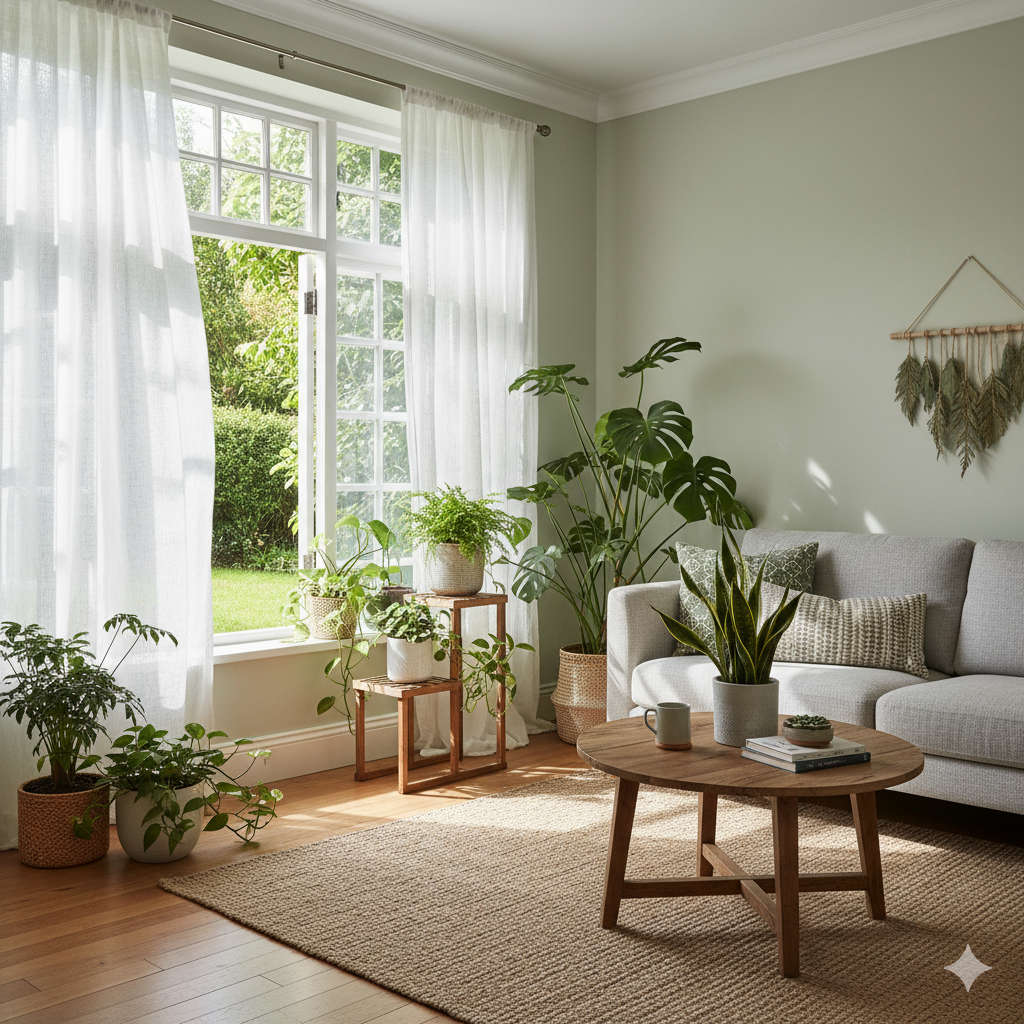
Take a deep breath. Does the air inside your home feel fresh and light—or a bit heavy and stale? Most people don’t realize that indoor air can actually be two to five times more polluted than outdoor air. From cleaning sprays and synthetic fragrances to trapped dust, pet dander, and humidity issues, invisible particles build up inside our living spaces every day.
The good news? You can drastically improve the air you breathe—naturally. No complicated gadgets or chemicals required. By making a few smart choices and developing cleaner daily habits, your home can become a calm, refreshing retreat where every breath feels better.
In this complete guide, we’ll explore why indoor air quality matters, what causes pollution inside homes, and 12 proven natural strategies to clean your air safely. You’ll also find recommendations for supportive products, practical routines, and signs that your efforts are working.
Why Indoor Air Quality Matters
The air you breathe influences everything—your energy, sleep, focus, skin health, and long-term well-being. Clean indoor air helps your body recover faster, reduces allergy symptoms, and keeps your mind clear.
Poor air quality, on the other hand, can cause:
- Frequent headaches or fatigue
- Coughing, sneezing, or irritated eyes
- Poor sleep and reduced focus
- Respiratory or sinus issues over time
Considering we spend about 90% of our lives indoors, it’s worth taking simple steps to make that air as pure as possible.
The Hidden Pollutants Lurking in Your Home
Even spotless homes can hide airborne irritants. Here are the biggest culprits you might not realize are affecting your space:
- Dust and Pet Dander: Tiny particles from skin, fabrics, and fur that collect on surfaces and in carpets.
- Volatile Organic Compounds (VOCs): Emitted from paints, furniture, new carpets, candles, and cleaning products.
- Mold and Mildew: Thrive in humid areas like bathrooms, kitchens, or basements.
- Combustion Byproducts: Smoke from cooking, candles, or fireplaces releases fine particulate matter.
- Pollen and Outdoor Particles: Carried in through open windows, clothing, or shoes.
- Synthetic Fragrances: Air fresheners, sprays, and scented candles can release chemical irritants.
The solution isn’t about removing every modern product—it’s about balance. You can clean your indoor air naturally by targeting these sources with simple, sustainable habits.
12 Natural Ways to Improve Indoor Air Quality
Each of the following steps works on a different layer of air quality—from what enters your home to how you maintain it. When combined, these methods make your air fresher, your home cleaner, and your breathing easier.
1. Let Fresh Air In – Smart Ventilation
Nothing beats the power of fresh air. Opening windows allows stagnant indoor air to escape and brings oxygen-rich outdoor air inside.
How to do it naturally:
- Open windows for 10–15 minutes each morning and evening.
- Create cross-ventilation by opening windows on opposite sides of the home.
- Use exhaust fans in bathrooms and kitchens during cooking or showers.
- Keep air vents clear of furniture or dust buildup.
If you live in a city with occasional poor outdoor air, ventilate early in the morning or after rain when pollution levels are typically lower.
2. Balance Indoor Humidity
Humidity that’s too high can cause mold, while air that’s too dry irritates sinuses and skin. The ideal range is 40–60% relative humidity.
To maintain balance naturally:
- Use a dehumidifier in damp basements or bathrooms.
- Fix leaks, and keep surfaces dry after showers or spills.
- In dry climates or winter, add a humidifier or bowls of water near heaters.
- Keep houseplants that regulate moisture naturally, like ferns or peace lilies.
A small humidity monitor (hygrometer) helps you track levels and adjust easily.
3. Choose Low-VOC Materials and Finishes
Many paints, glues, and furniture pieces release VOCs—chemicals that evaporate into the air over time. To minimize exposure:
- Choose low-VOC or zero-VOC paints and finishes when renovating.
- Let new furniture “air out” for a few days in a ventilated room.
- Avoid strong adhesives or synthetic fragrances.
- Use natural materials like wood, cotton, bamboo, and jute whenever possible.
These choices not only keep your air cleaner but also create a healthier, eco-friendly home aesthetic.
4. Clean Regularly with Natural Products
Cleaning is vital—but the ingredients you use make all the difference. Many household cleaners release chemical residues that linger in the air.
Natural cleaning alternatives:
- Mix white vinegar and water for glass and surface cleaning.
- Sprinkle baking soda on carpets before vacuuming to neutralize odors.
- Use lemon juice for degreasing or removing buildup.
- Add a few drops of essential oil like tea tree or lavender (optional and sparingly).
These natural cleaners disinfect effectively without harsh fumes, leaving your air cleaner and your surfaces safe for kids and pets.
5. Dust and Vacuum Mindfully
Dust is more than a visual nuisance—it’s a carrier of allergens and pollutants. Prevent buildup before it becomes airborne.
Smart cleaning habits:
- Dust surfaces weekly using a damp microfiber cloth (not dry dusters that spread particles).
- Vacuum floors, rugs, and upholstery twice a week.
- Use a vacuum cleaner with a HEPA filter to trap microscopic particles.
- Wash bedding, curtains, and cushion covers regularly in hot water.
Keeping fabrics and floors clean drastically cuts down on airborne irritants.
6. Use Natural Air-Purifying Plants
Houseplants add beauty—and some species help remove toxins like formaldehyde, benzene, and carbon monoxide naturally.
Great air-purifying choices include:
- Snake Plant (Sansevieria)
- Spider Plant
- Peace Lily
- Boston Fern
- Areca Palm
- Aloe Vera
These plants are hardy, require minimal care, and gently improve oxygen levels. Remember: plants complement, not replace, ventilation and cleaning.
7. Avoid Indoor Smoking and Limit Candle Use
Tobacco smoke releases thousands of harmful chemicals that cling to fabrics and walls. The best rule: no smoking indoors, ever.
For candles, choose beeswax or soy versions with cotton wicks. Burn them briefly in well-ventilated areas. Avoid synthetic scented candles that emit VOCs.
If you love ambient light, consider flameless LED candles—they give the same cozy feel without the smoke.
8. Keep the Kitchen Air Fresh
Cooking releases moisture, grease, and fine particles into the air. Over time, this builds up on walls and surfaces.
To purify your kitchen naturally:
- Always use your range hood or exhaust fan when cooking.
- Keep stove filters clean.
- Simmer natural deodorizers like lemon slices or cinnamon sticks instead of sprays.
- Avoid overheating oils that release smoke.
- Store trash in sealed bins and take it out daily.
A clean kitchen equals cleaner household air overall.
9. Use Natural Odor Absorbers
Instead of masking smells, eliminate them with simple household ingredients:
- Baking soda absorbs fridge or carpet odors.
- Activated charcoal bags pull impurities from the air.
- Coffee grounds in an open bowl neutralize strong odors.
- Vinegar bowls placed discreetly can absorb lingering smells after cooking or painting.
These natural options freshen the air without synthetic fragrances.
10. Maintain Fabrics, Rugs, and Upholstery
Soft furnishings trap dust, pet hair, and allergens. Keeping them clean maintains better airflow and fresher air.
Best practices:
- Wash throw blankets and curtains at least monthly.
- Beat rugs outside to remove trapped dust.
- Steam clean upholstery twice a year.
- Opt for natural-fiber fabrics (cotton, wool, linen) that “breathe” better.
Also, minimize wall-to-wall carpeting in humid climates—it can harbor mold and dust mites.
11. Adopt a “Shoes-Off” Home Policy
Shoes bring in dirt, chemicals, and bacteria from streets and sidewalks. Make it a house rule to remove shoes at the entrance.
Add a simple entry setup:
- A sturdy outdoor mat to trap debris.
- Indoor slippers or socks for comfort.
- A small shoe rack or bench to make the habit easy for guests.
This single change drastically cuts indoor pollutants and makes cleaning easier.
12. Monitor and Maintain Consistently
The final step in creating cleaner air is staying consistent. Pollution sources evolve, and maintenance ensures your progress lasts.
To stay on track:
- Change HVAC or AC filters every 1–3 months.
- Inspect for mold in corners, basements, and under sinks.
- Wipe vents and fans to prevent buildup.
- Track humidity with a simple digital hygrometer.
- Consider using an indoor air quality monitor that detects particles and VOCs.
Clean air isn’t a one-time goal—it’s an ongoing routine that pays off daily.
Helpful Natural Tools and Devices
While natural methods form the foundation, a few helpful products can support your journey:
- HEPA Air Purifiers: Choose models suitable for your room size. They trap fine dust, pollen, and pet dander effectively.
- Dehumidifiers: Ideal for humid regions or basements prone to dampness.
- Essential Oil Diffusers: When used sparingly, they freshen air with natural scents—but avoid constant use or synthetic oils.
- Indoor Plants: Easy, decorative, and supportive of humidity control.
- Activated Charcoal Bags: A chemical-free way to continuously absorb odors and toxins.
Remember: no product replaces habits. They simply enhance the natural processes you maintain through cleaning and ventilation.
A Weekly Home Air-Care Routine
Consistency transforms your air quality. Use this easy weekly checklist to maintain freshness year-round:
Daily
- Open windows for at least 10 minutes.
- Run fans during cooking or showers.
- Keep surfaces dry and clutter-free.
Weekly
- Vacuum and dust all rooms.
- Wash bedding and rugs.
- Clean fans, vents, and exhaust filters.
- Replace baking soda or charcoal odor absorbers.
Monthly
- Deep-clean upholstery or curtains.
- Wipe down baseboards and high surfaces.
- Check humidity and adjust if needed.
These small routines compound over time—within weeks, you’ll notice lighter, fresher air in your home.
Special Tips for City or Tropical Homes
Different climates need tailored approaches:
Urban Homes:
- Ventilate during low-traffic hours (early morning).
- Keep air purifiers running during smog alerts.
- Add plants to balance dry air from HVAC systems.
Humid or Tropical Homes:
- Use dehumidifiers or silica packs in closets.
- Avoid carpets or heavy curtains.
- Inspect bathrooms and basements frequently for mold.
- Use exhaust fans after every shower.
Cold Climates:
- Run humidifiers in winter when heating dries the air.
- Check windows for condensation buildup (a sign of poor ventilation).
- Use indoor herbs like mint or basil to add freshness.
Common Myths About Indoor Air Quality
Let’s clear up a few misconceptions:
Myth 1: “Air fresheners clean the air.”
No—they only mask odors with synthetic chemicals that can worsen indoor pollution.
Myth 2: “If I can’t smell anything, the air is clean.”
Many pollutants are odorless, like carbon monoxide or formaldehyde.
Myth 3: “Indoor plants alone are enough.”
Plants help, but they can’t replace ventilation or proper cleaning.
Myth 4: “Purifiers eliminate the need to clean.”
Air purifiers assist but don’t remove dust from surfaces—manual cleaning is still essential.
Knowing what doesn’t work helps you focus on the habits that do.
Signs Your Indoor Air Is Improving
When your air starts to clear up, you’ll notice subtle but powerful differences:
- The home smells fresher without added scents.
- Less dust accumulates on surfaces.
- You sleep more soundly.
- Allergies or congestion ease up.
- Mold smells disappear.
- You feel more energized and alert indoors.
If you use a monitor, you’ll see reduced particle and VOC levels within weeks of consistent effort.
Long-Term Benefits of Cleaner Air
Think of clean indoor air as an invisible wellness upgrade. Over time, the benefits extend far beyond comfort:
- Stronger immunity and respiratory health
- Improved concentration and productivity
- Better sleep quality
- Reduced allergy symptoms
- Healthier skin and hair
- Greater peace of mind knowing your home supports your well-being
When your environment is pure, everything else—focus, mood, health—naturally aligns.
Conclusion
Creating naturally clean indoor air isn’t about expensive machines—it’s about mindful habits and everyday choices.
Open your windows. Keep humidity balanced. Clean with natural ingredients. Care for your fabrics, your plants, and your daily air rituals. These small steps, repeated consistently, transform your living space into a safe, rejuvenating haven.
Every breath you take indoors should restore, not burden, your body. Start with one simple change today—open a window, wipe the dust, switch to a natural cleaner—and feel the difference. Within days, you’ll breathe deeper. Within weeks, you’ll wonder how you ever lived any other way.
You might also like,
- HEPA vs Electrostatic Filters: Which Air Filter Is Best for Allergies?
- 10 Easy Ways to Reduce Allergies at Home | Allergy-Friendly Living
- Best Electrostatic Pleated AC Filters for Allergies & Dust (2025 Guide)
- How Indoor Humidity Levels Transform Your Allergies and Home Comfort
- How Often Should You Change Your AC Filter? Complete Homeowner’s Guide
- Best HEPA Air Purifiers for Bedrooms (2025): Sleep Better & Breathe Cleaner Air